


7 Signs Your Kinks Have Gone Too Far
We're all about exploring your freaky side here at Playful Magazine. Kinks make the world go round, and there's literally nothing wrong with getting weird between the sheets. But sometimes: and this might sting a bit: things can cross a line.
Not the kind of line your vanilla friends worry about when you mention rope. We're talking about the actual danger zone where healthy kink transforms into something genuinely harmful.

Most people in the scene are brilliant at self-regulation. They know their limits, communicate like champions, and keep things fun and consensual. But occasionally, enthusiasm outpaces wisdom. Or worse, predators disguise abuse as kink.
So how do you know when your bedroom adventures have jumped the shark? These seven red flags should have you pumping the brakes immediately.
1. Consent Has Left the Building
Real talk: if you're not having explicit conversations about boundaries before getting freaky, you're doing it wrong. Period.
Healthy kink requires ongoing, enthusiastic consent. That means discussing limits beforehand, checking in during play, and respecting when someone says stop. It's not sexy to negotiate mid-scene, which is exactly why real players do the talking first.

Here's what consent violations look like in practice. Your partner says they're not into breath play, but you try it anyway because "they'll probably love it." That's assault, not dominance. Or maybe someone uses their "dom personality" to pressure you into acts you never agreed to. Still assault.
If anyone gets angry when you ask to slow down or discuss boundaries, run. Fast. Genuine dominants understand that consent is the foundation of everything hot they want to do. Fake ones see it as an obstacle to overcome.
The moment coercion enters the picture: threats, manipulation, emotional blackmail: you've left kink territory and entered abuse land. Don't let anyone convince you otherwise.
2. Safe Words Are Treated Like Suggestions
Safe words exist for one reason: to immediately stop activity when someone needs out. They're not guidelines. They're not requests. They're emergency brakes.
If your play partner doesn't understand safe words, doesn't want to use them, or worse, ignores them when you use them, you're in serious danger. This isn't about being a buzzkill. This is about basic human decency.
Some red flags around safe words include partners who refuse to establish them, claim they "ruin the mood," or suggest you don't really need them because they "know what you want." These are massive warning signs that someone doesn't understand consent or chooses to ignore it.
Remember: real dom/mes want you to feel safe enough to fully surrender. Predators want you to feel trapped.
3. Your Mental Health Is Taking a Beating
Healthy kink should enhance your life, not destroy it. If your sexual activities are leaving you feeling consistently anxious, depressed, or emotionally damaged, something's seriously wrong.
Post-scene emotional drops are normal. That's why aftercare exists. But chronic mental health issues directly linked to your kink activities? That's your psyche sending distress signals.
Maybe you're constantly anxious about disappointing your dom. Perhaps you're losing sleep obsessing over scenes. Or you've started dissociating during play as a coping mechanism. These aren't signs you're "not cut out for kink": they're signs something unhealthy is happening.

Pay attention to your emotional patterns. Healthy kink might challenge you, but it shouldn't break you. If you're consistently feeling worse about yourself after scenes, it's time to evaluate what's going wrong and make changes.
4. Aftercare Is Non-Existent
Aftercare isn't optional. It's not just for subs. And it's definitely not something you can skip because you're tired or busy.
After intense scenes, both partners need time to decompress, reconnect, and process what happened. This might involve cuddling, talking, eating something sweet, or just sitting quietly together. The specifics matter less than the fact that it happens.
When aftercare gets skipped consistently, several things go wrong. First, you miss opportunities to check in about how the scene went. Second, you don't get the emotional support needed to integrate intense experiences. Third, trust erodes because one person's needs aren't being met.
Some people try to skip aftercare because they think it's "too relationship-y" for casual play. Wrong answer. Aftercare is a safety requirement, not a romantic gesture. Anyone who refuses to provide basic care after putting you through intense experiences isn't safe to play with.
5. Real Life Is Getting Steamrolled
Kink is supposed to spice up your life, not replace it entirely. When your sexual interests start interfering with work, relationships, or basic functioning, you've crossed into obsession territory.
This might look like spending every free moment thinking about or engaging in kink activities. Maybe you're neglecting friendships because they don't understand your interests. Perhaps you're struggling at work because you're constantly distracted by fantasy scenarios.
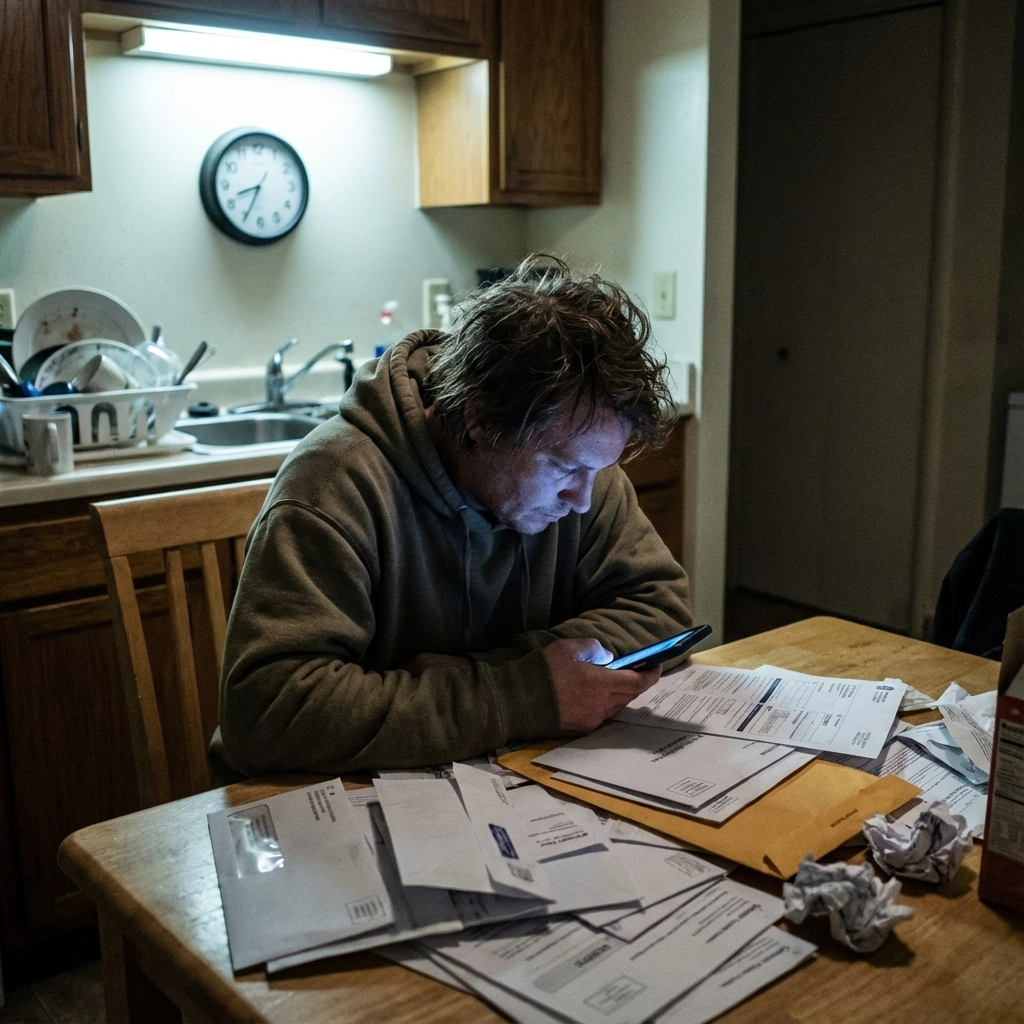
Some people use kink to escape real-life problems instead of addressing them. While sexual exploration can be therapeutic, it shouldn't become your primary coping mechanism for everything difficult in your life.
Balance is key. Healthy kinky people have multifaceted lives where sex is one important element among many. If kink becomes the only thing that matters to you, it's time to step back and reassess.
6. Physical Safety Gets Ignored
Edge play has its place, but only when people know what they're doing. If you or your partner are engaging in high-risk activities without proper knowledge or safety equipment, someone's going to get seriously hurt.
This includes things like breath play without understanding anatomy, impact play without knowing how to avoid organs, or rope bondage without circulation checks. Enthusiasm doesn't replace education.
Real dangers include nerve damage, circulation loss, concussions, and worse. People have died from improperly executed kink activities. This isn't fear-mongering: it's reality.
Before engaging in any risky activity, both partners should research proper techniques, practice on low-risk targets, and have safety equipment readily available. If someone pressures you to "just try" something dangerous without proper preparation, they're prioritizing their gratification over your safety.
7. Fantasy Bleeds Into Non-Consensual Reality
Here's where things get really problematic: when kink fantasies start justifying real-world violations of other people's consent.
This might involve engaging in exhibitionist activities without bystanders' consent, assuming service workers want to participate in your degradation scenes, or treating non-kinky partners like they've signed up for your particular brand of intensity.
Your kink stops at other people's boundaries. Always. No exceptions.
Some folks rationalize boundary violations by claiming their behavior is "just how they are" or that they "can't turn it off." That's manipulation, not authentic expression. Everyone can control their behavior in public spaces and with non-consenting individuals.
If you find yourself justifying questionable behavior because it fits your kink identity, stop immediately. Real kinksters understand the difference between appropriate and inappropriate contexts for their interests.
Getting Back on Track
Recognizing these warning signs isn't about shame: it's about safety. If you've identified problems in your own kink journey, you can absolutely course-correct.
Start by taking a break from intense activities. Use that time to educate yourself about consent, safety, and healthy relationship dynamics. Consider working with a kink-aware therapist if you're struggling with compulsive behaviors or past trauma.
Connect with experienced community members who model healthy practices. Most scenes have educational groups where you can learn proper techniques and mindset approaches. Don't be embarrassed about needing guidance: everyone started somewhere.
Remember: the hottest thing about kink is how it amplifies trust, communication, and mutual pleasure. When those elements disappear, you're not doing kink anymore. You're just causing harm.
The good news? With proper education, clear communication, and respect for boundaries, kink can be an incredibly positive force in your life. Just make sure you're doing it right.


