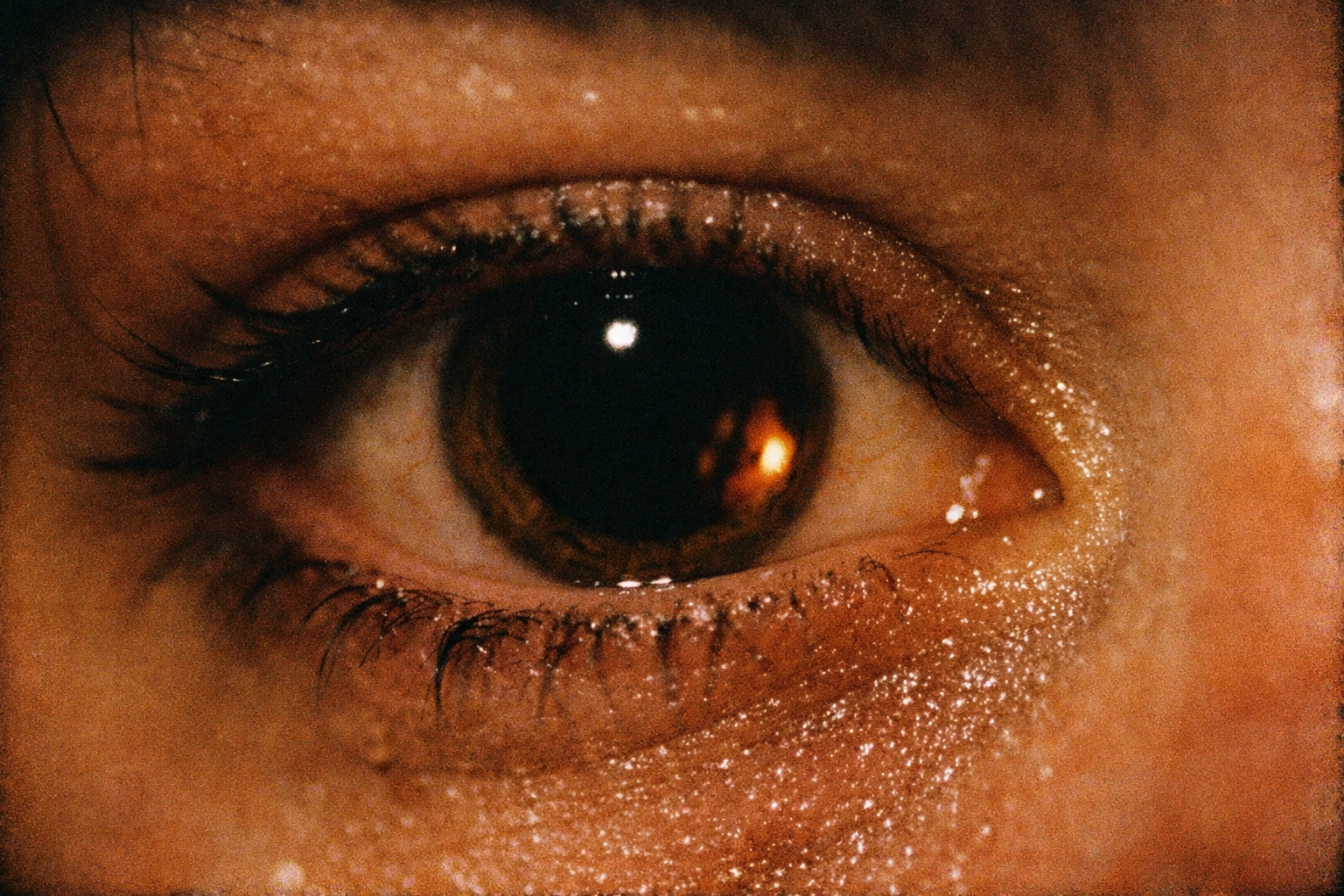
A Deep Dive into BDSM Headspaces and the Neurochemistry of Power
If you ever found yourself staring at a crack in the ceiling for twenty minutes, feeling like your bones have turned to warm honey while someone systematically pushes your limits, you’ve been there. We call it subspace. If you’ve been on the other side, eyes locked, pulse steady, feeling a terrifyingly beautiful sense of clarity and responsibility, you’ve been in topspace.

To the uninitiated, BDSM is a collection of props and positions. But for those of us who live it, the physical act is just the entry fee. The real destination is the headspace, a legitimate, measurable alteration of consciousness that mimics the states achieved by monks, elite athletes, and trauma survivors.
The Underwater Silence: What is Subspace?
Subspace is often described as a "floaty" or "dreamlike" state. It’s a survival mechanism that the brain flips into a pleasure response. When the body experiences intense sensation, whether that’s impact, heavy rope, or psychological pressure, the prefrontal cortex, the part of your brain responsible for "adulting," logic, and anxiety, begins to quiet down.
In a 2016 study conducted by researchers at Northern Illinois University, scientists used the Stroop test (a cognitive challenge) to measure mental clarity during BDSM scenes. They found that submissives experienced "transient hypofrontality", a fancy way of saying their brains temporarily went offline in the best way possible. They failed the cognitive tests because they were simply too far gone into a state of pure being.
"It feels like being at the bottom of a very deep, very warm swimming pool," says Elena, 34: "You can see the surface, you can hear people talking, but none of it matters. The pain doesn't hurt; it just is. You’re stripped of your ego. There’s no rent to pay, no emails to answer. Just the breath and the rope."

This state is why so many high-functioning, Type-A individuals find themselves drawn to power exchange. When your day job requires you to make a thousand decisions an hour, the gift of being told exactly what to do, and having your brain chemically reward you for it, is the ultimate luxury. It’s why many highly functioning people love being submissive; it’s the only time the noise stops.
The Razor’s Edge: Understanding Topspace and Flow
While the submissive is sinking into the depths, the dominant is climbing a mountain. Topspace is rarely "dreamy." Instead, it is a state of hyper-focus, often compared to the "flow state" experienced by professional athletes or surgeons.
In topspace, the dominant is monitoring everything: the submissive’s breathing, the color of their skin, the safety of the environment, and the pacing of the scene. It is a state of "mentally intoxicating" control.
"When I'm in it, the rest of the world ceases to exist," explains Ivy, a rigger. "I’m not thinking about my grocery list. I’m thinking about the tension in the left side of her neck and how the next knot will land. It’s a predatory grace, but it’s rooted in care. If I lose focus for a second, the magic breaks. It’s the most present I ever feel in my life."
The same 2016 study found that while submissives lose cognitive function, dominants actually enter a peak performance state. Their cortisol levels remain steady or even drop as they find their rhythm, achieving a "challenge-skill balance" that is the hallmark of flow.
The Neurochemical Cocktail: Why We Get High
We aren’t just playing with leather; we’re playing with a pharmacy. The "headspace" is the result of a very specific chemical dump:
Endorphins: The body’s natural painkillers. They are chemically similar to opiates and are responsible for that "numb but happy" feeling in subspace.
Dopamine: The reward chemical. It’s what makes the anticipation of a blow or a command feel so electric.
Oxytocin: The "bonding hormone." This is why you feel an intense, almost spiritual connection to your partner after a scene. It’s the glue that makes the vulnerability feel safe.
Adrenaline: The "fight or flight" kick. It heightens the senses and makes everything feel high-stakes and cinematic.
When these hit all at once, the brain experiences a state of altered awareness that is difficult to replicate through any other means. This is also why taboo desires can feel so visceral, the brain doesn't always distinguish between "danger" and "heightened play," and it rewards the survival of the experience with a massive wave of euphoria.
The Hangover: Navigating the 'Drop'
What goes up must come down. Because these headspaces are chemically induced, there is a physiological "tax" to pay. This is known as Sub Drop (or Top Drop).
When the oxytocin and endorphins leave your system, you can feel hollow, depressed, or irrationally irritable. It’s the chemical equivalent of a hangover. You might find yourself crying over a dropped spoon or feeling a sudden wave of loneliness even if your partner is right there.
How do I prevent sub drop? You can't always prevent it, but you can manage it. Aftercare is non-negotiable. This means sugar (to stabilize blood pressure), blankets (to regulate temperature), and "grounding" talk. For some, it means being held; for others, it’s being left alone in a dark room with a protein bar.

Common Questions About BDSM Headspaces
Is subspace the same as being high on drugs? It shares similarities, specifically the suppression of the prefrontal cortex, but it is internally generated. It feels more grounded because it is tied to physical sensations and interpersonal trust rather than a foreign substance.
Can you get stuck in subspace? Not permanently, but you can be "spacey" for a few hours. This is why you shouldn't drive or make major life decisions immediately after a heavy scene. You are literally cognitively impaired for a short window.
Does every scene result in a headspace shift? No. Sometimes a scene is just "playing." Headspace usually requires a certain level of intensity, duration, or emotional investment. If you’re just doing a quick ten-minute spanking, you might feel a buzz, but you likely won’t hit that "underwater" feeling. This is particularly true for impact play for intellectuals, where the physical intensity acts as a "reset" button for a noisy mind.
What if I don't feel anything after a scene? That's okay too. Not everyone’s neurochemistry reacts the same way every time. Fatigue, stress, or even your menstrual cycle can affect how deeply you go into a headspace.
The Aftermath
The quiet after a heavy session is unlike any other silence. The pupils are dilated, the skin is sensitive to the slightest breeze, and the ego is temporarily sidelined. Whether you were the one holding the whip or the one receiving the marks, you’ve traveled somewhere.
Understanding these states doesn’t make them less magical; it makes them more accessible. It allows us to respect the power of the "play" we engage in. We aren't just messing around in the dark; we are rewiring our brains, one scene at a time.