


11 Types of BDSM Relationships (and How They Work)
The global kink community has taught us one thing: there's no single way to do kink. Whether you're stepping into a leather bar or slipping into a private dungeon, you'll encounter every flavor of power exchange imaginable.
BDSM relationships aren't just about whips and chains. They're intricate dance partnerships where consent, communication, and creativity collide. Each dynamic has its own rulebook, its own rhythm, and its own brand of beautiful chaos.
Let's break down the 11 most common types of BDSM relationships that actually exist in the real world: from gentle power exchanges to total life takeovers.

1. Dom/Sub (Dominant/Submissive)
The classic. The foundation. The relationship style that launched a thousand romance novels.
In D/s dynamics, one partner takes control while the other surrenders it. But here's where most people get it wrong: this isn't about abuse or manipulation. It's about consensual power transfer that both parties actively negotiate and enjoy.
How it works: The Dominant makes decisions, sets rules, and guides experiences. The submissive follows, serves, and finds fulfillment in pleasing their Dom. This can be bedroom-only or extend into daily life: think controlled bedtimes, chosen outfits, or structured routines.
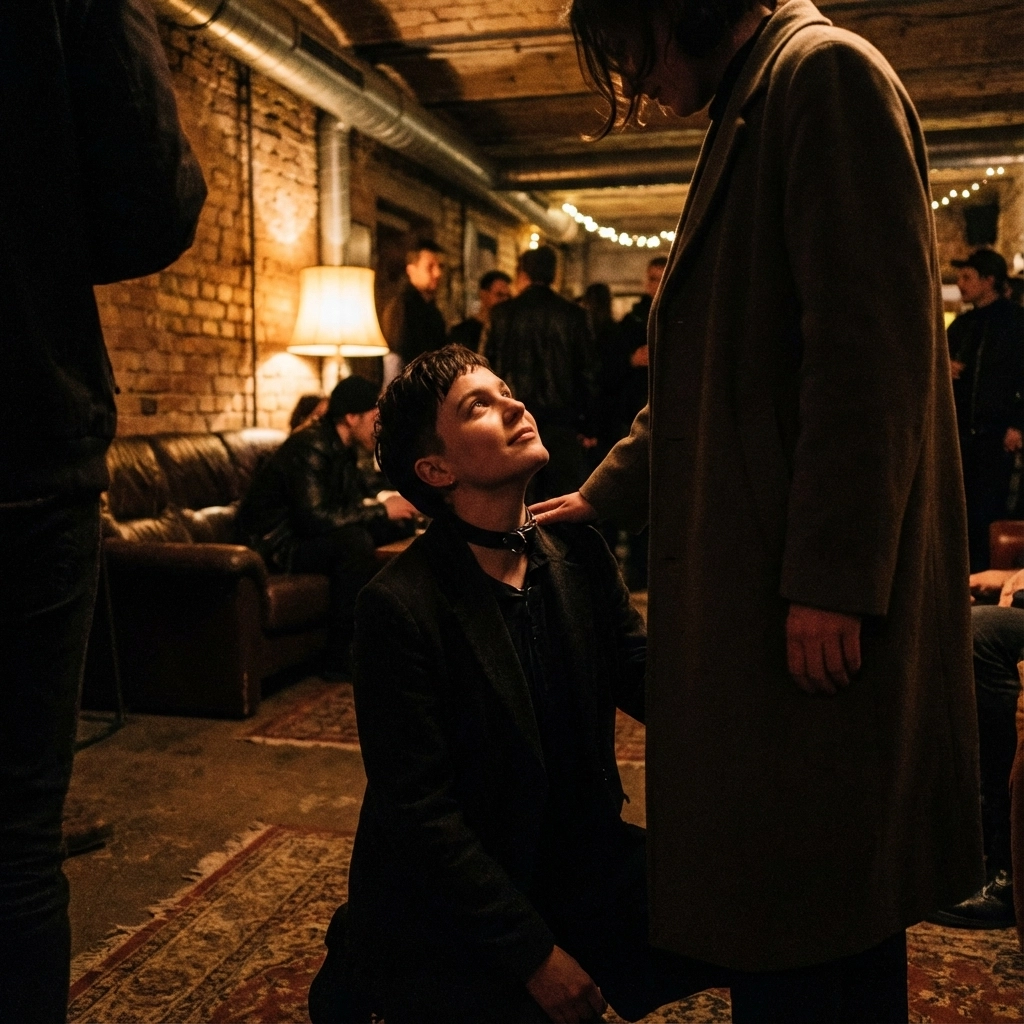
The Berlin twist: In underground Berlin clubs like KitKatClub, you'll see D/s couples where the power exchange is visible but subtle. A collar, a specific seating arrangement, or coded gestures that only they understand.
2. Master/Slave (M/s)
Think of this as D/s cranked up to eleven. Master/slave relationships involve deeper commitment and often 24/7 power exchange.
The difference: While subs retain the right to negotiate and have input, slaves consensually give up more autonomy. The Master takes responsibility for major life decisions: career moves, social circles, sometimes even basic daily choices.
Important reality check: This isn't about erasing someone's humanity. Good M/s relationships involve extensive negotiation, regular check-ins, and clear boundaries. The slave chooses to give up control, and the Master earns that trust through consistency and care.
3. Top/Bottom
Here's where action meets intention. Topping and bottoming refer to what you're physically doing, not necessarily who's in charge.
How it breaks down: The Top performs actions: they're the one doing the tying, spanking, or sensation play. The Bottom receives these actions. But plot twist: a submissive can Top if ordered to do so, and a Dominant can Bottom while still calling the shots.
Why this matters: Understanding this distinction prevents a lot of confused conversations at play parties. You might meet a "bossy bottom" who directs the scene while being restrained, or a "service top" who dominates but focuses entirely on their partner's pleasure.
4. Daddy/Little (DD/lg)
Despite the name, this dynamic isn't about actual family relationships or age. It's about care, guidance, and nurturing with a power exchange twist.
The dynamic: The Daddy (or Mommy) takes on a protective, guiding role. The Little expresses vulnerability, playfulness, and sometimes childlike wonder. This can include age regression, but doesn't have to.
What it looks like: Rules about bedtimes and healthy eating, rewards for good behavior, comfort during stress. Some Littles have specific "little space" times where they embrace childlike activities: coloring, cartoons, stuffed animals.
Common question: Is this always sexual? Nope. Many DD/lg relationships have non-sexual elements or separate "little time" from intimate time entirely.
5. Pet Play
Welcome to the world where humans become puppies, kittens, ponies, or any creature their imagination desires.
The appeal: Pet play strips away human responsibilities and social expectations. Pets don't have to worry about work stress or relationship drama: they just exist in the moment, focused on play, care, and their Owner.
Types of pets: Puppies are playful and loyal. Kittens are independent but affectionate. Ponies train for discipline and performance. Each pet type brings its own personality and needs.
Training and care: Good Owners understand their pet's instincts, provide appropriate play, and create safe spaces for pet headspace. This might include specialized gear, training routines, or simply permission to be non-verbal for hours.
6. Service Submission
For some people, the ultimate turn-on is being genuinely useful.
Service subs find deep satisfaction in completing tasks, solving problems, and making their Dominant's life easier. This isn't about sexual service (though that can be part of it): it's about proving worth through competence and dedication.
Real examples: Organizing schedules, handling correspondence, managing household tasks, research projects, or even business support. The key is that these tasks feel meaningful and appreciated.
The psychology: Service subs often thrive on structure, clear expectations, and visible results. They want to know their efforts matter and improve their Dominant's quality of life.
7. Switch Relationships
Some people refuse to pick a side: and that's perfectly valid.
Switches enjoy both dominating and submitting, often with different partners or at different times with the same partner. Switch couples might alternate roles monthly, or one might switch based on mood while the other stays consistent.
Making it work: Successful switch relationships require extra communication about desires, timing, and boundaries. When does someone want to switch? How do they signal that need? What happens if both people want the same role simultaneously?
The Berlin advantage: Cities with strong kink communities make switching easier. If your partner isn't available for the dynamic you crave, the scene often provides play partners who complement your current mood.
8. Rope Partnerships (Shibari/Bondage Dynamics)
Some relationships center entirely around rope. These partnerships prioritize the art, meditation, and intimate connection that comes from rope bondage.
Beyond pretty ties: While Instagram might show you beautiful suspension photos, real rope relationships involve deep trust, body awareness, and emotional intimacy. The rigger learns their partner's body better than a massage therapist.
The meditation aspect: Many rope bottoms describe entering trance-like states during sessions. Good riggers read these responses and adjust accordingly, creating experiences that are both physically and emotionally transformative.
Safety note: This dynamic requires serious skill development. Berlin's rope community offers workshops and mentorship: take advantage before diving into advanced techniques.

9. Mentor/Protégé Dynamics
Experience meets eagerness in relationships built around learning and growth.
How it develops: An experienced kinkster takes responsibility for guiding someone newer to the scene. This might involve practical education (how to use toys safely), scene guidance (what to expect at parties), or personal development (building confidence).
Benefits for both: Protégés get personalized education and community connections. Mentors enjoy sharing knowledge and often rediscover their own passion through fresh eyes.
Potential pitfalls: These relationships need clear boundaries about romantic involvement, sexual contact, and graduation timelines. When does the protégé become a peer rather than a student?
10. Financial Domination (Findom)
Money becomes the ultimate power exchange tool in findom relationships.
The dynamic: Financial dominants (Findoms) control their submissive's spending, savings, or earning. This might mean controlled allowances, tribute payments, or complete financial oversight.
Why it works: For financial subs, spending money on their Dominant creates tangible proof of devotion. For Findoms, receiving tribute validates their worth and power.
Safety boundaries: Good findom relationships never involve financial ruin or coercion. Limits get negotiated just like any other BDSM activity, and subs retain emergency funds and basic life needs.
11. Primal Relationships
Strip away civilization and embrace your animal instincts.
Primal dynamics focus on raw, instinctive behaviors: hunting and prey, pack dynamics, territorial behaviors, and physical competition. Communication often happens through body language, sounds, and energy rather than words.
Common expressions: Stalking games, wrestling for dominance, marking territory, growling, biting, or claiming behaviors. Some primals shift into specific animal headspaces while others simply embrace aggression and instinct.
The release: Modern life requires constant self-control and social performance. Primal relationships provide space to be messy, loud, and authentically animalistic with someone who understands and craves the same release.
Questions People Actually Ask
Can you combine different relationship types?
Absolutely. Many couples blend elements from multiple dynamics. You might have a D/s foundation with rope partnership elements and occasional pet play scenes.
How do you negotiate these relationships?
Start with extensive conversations about desires, boundaries, and expectations. Use questionnaires, discuss consent, and plan regular check-ins to adjust agreements as you learn and grow.
What if you're not sure which type fits you?
Exploration is part of the journey. Attend workshops, talk with community members, and try different dynamics in safe, controlled environments. Your preferences might surprise you.
Finding Your Dynamic in Berlin's Scene
Berlin's sex-positive culture makes it easier to explore these relationships openly. Whether you're attending educational workshops or connecting with like-minded individuals at fetish events, the city offers resources for every dynamic.
Remember: good BDSM relationships of any type prioritize communication, consent, and mutual satisfaction. The structure might be different, but the foundation remains the same: two (or more) people choosing to create something that works specifically for them.


