


Inside Looksmax.me: The Internet's Most Controversial Beauty Playground
By Alexander Stelt
I went down the rabbit hole so you don't have to. Or maybe so you know what you're getting into.
Last week, I decided to explore the wild world of looksmaxxing forums after seeing yet another TikTok of a 16-year-old asking strangers to rate his jawline. What I found was equal parts fascinating and deeply concerning, a digital ecosystem where self-improvement meets obsession, where "Chad" isn't just a name, and where young men are spending thousands on procedures I'd never heard of.
Welcome to the looksmaxxing community. Buckle up.

What Actually Is Looksmaxxing?
Let me break this down for anyone who hasn't spent their Tuesday evening diving into internet subcultures.
Looksmaxxing is the process of maximizing your physical attractiveness through various means. Think of it as self-improvement on steroids, with a heavy dose of internet culture and some seriously questionable advice thrown in.
The term originated in male incel message boards in the 2010s, but it's since exploded across TikTok and mainstream social media. We're talking millions of views on hashtags, dedicated forums, and an entire industry built around facial analysis apps.
The basic premise? Rate yourself, identify your "flaws," then fix them through everything from skincare routines to jaw surgery. Sounds innocent enough, right?

The Lingo That'll Make Your Head Spin
Spending time in these communities is like learning a new language. Here's your crash course in looksmaxxing terminology:
Mewing - Pressing your tongue to the roof of your mouth to allegedly reshape your jawline. Named after Dr. Mike Mew, and yes, people spend years doing this religiously.
Canthal Tilt - The angle of your eye corners. Positive canthal tilt is supposedly attractive, negative is not. I watched grown men measure their eye angles with protractors.
Hunter Eyes - The ideal masculine eye shape, characterized by a specific depth and hooding. Think male models, not your friendly neighborhood accountant.
Jaw Maxxing - Everything from chewing tough gum to surgical procedures to achieve a more defined jawline.
Hardmaxxing vs. Softmaxxing - Soft is reversible changes (skincare, grooming, working out). Hard is permanent procedures (surgery, orthodontics).
The deeper you go, the more technical it gets. Users discuss facial ratios with mathematical precision that would make engineers weep.
Inside The Forums: What I Actually Found
Here's where things get real. The actual looksmaxxing communities: primarily centered around platforms like looksmax.org: are a mix of genuine advice, dangerous suggestions, and some seriously unhinged content.
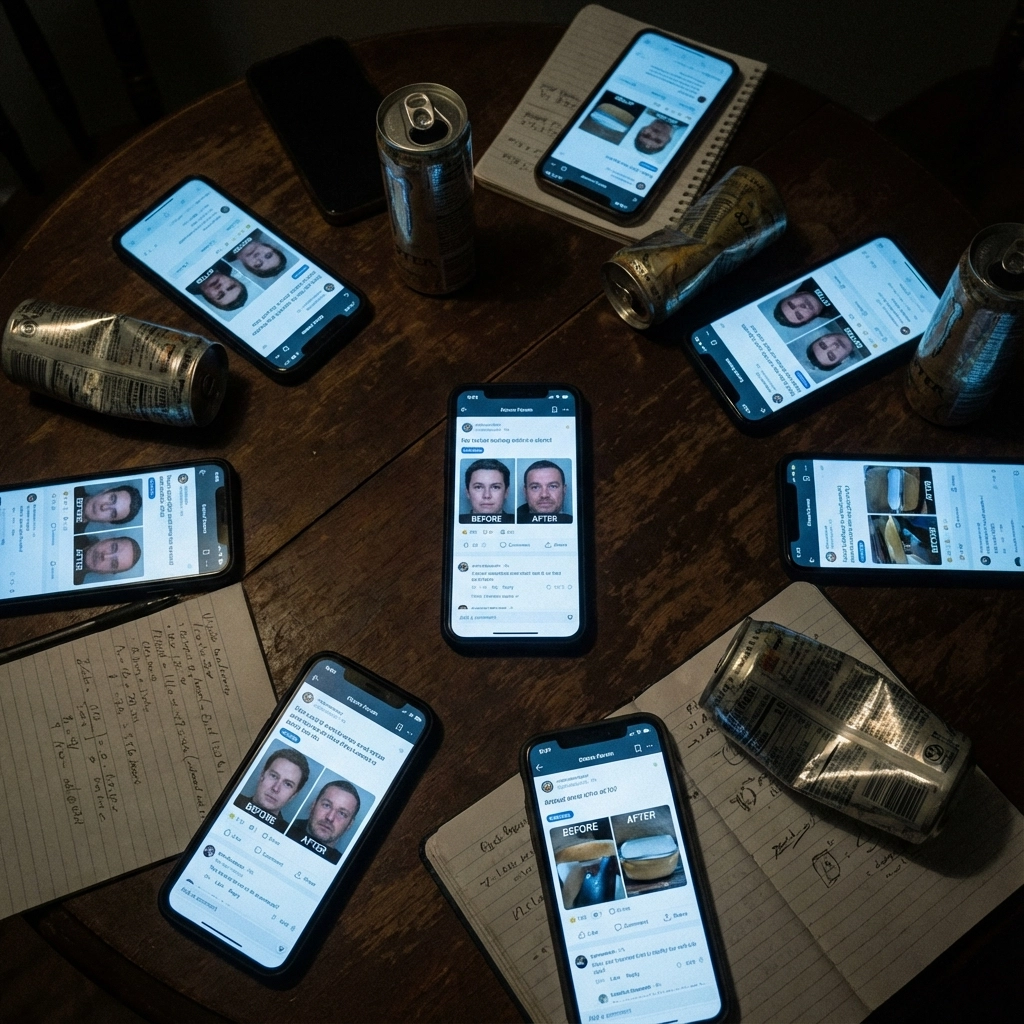
I spent hours scrolling through threads titled things like "Rate my eye area progression" and "Mewing results after 2 years." The before-and-after photos range from subtle improvements to dramatic surgical transformations.
Some threads are surprisingly helpful. Skincare routines, workout advice, grooming tips: the kind of stuff you might find in any men's lifestyle magazine. Other threads venture into territory that made me close my laptop and take a walk.
There are detailed discussions about cosmetic procedures that cost tens of thousands of dollars. Teenagers asking for advice on convincing their parents to pay for jaw surgery. Adults sharing photos after multiple facial surgeries, still convinced they need more work.
The rating system is particularly brutal. Users post photos and receive numerical scores with detailed breakdowns of their facial flaws. It's like a beauty pageant judged by people who've studied facial aesthetics instead of just, you know, looking at faces like normal humans.
The Apps Making Bank Off Insecurity
The looksmaxxing trend has spawned a lucrative industry. Apps like LooksMax AI and UMAX use facial recognition technology to analyze your features and suggest improvements.
I tested one of these apps myself. The experience was simultaneously impressive and horrifying. The AI identified facial asymmetries I'd never noticed, rated my features on a 1-10 scale, and suggested everything from skincare products to surgical procedures.
The technology is genuinely sophisticated. But the psychological impact? That's where things get murky.
These apps often present themselves as objective facial analysis tools. But beauty standards aren't objective: they're cultural, historical, and constantly changing. What these algorithms define as "ideal" is based on datasets that reflect existing biases and beauty standards.
Why This Matters in 2026
We're living through the most appearance-obsessed era in human history. Social media has amplified beauty standards to impossible levels. Dating apps reduce people to swipe-worthy photos. Filters and editing tools make everyone look like a slightly better version of themselves.
Looksmaxxing represents the logical extreme of this culture. When your appearance determines your social media success, dating prospects, and even career opportunities, the pressure to optimize becomes overwhelming.
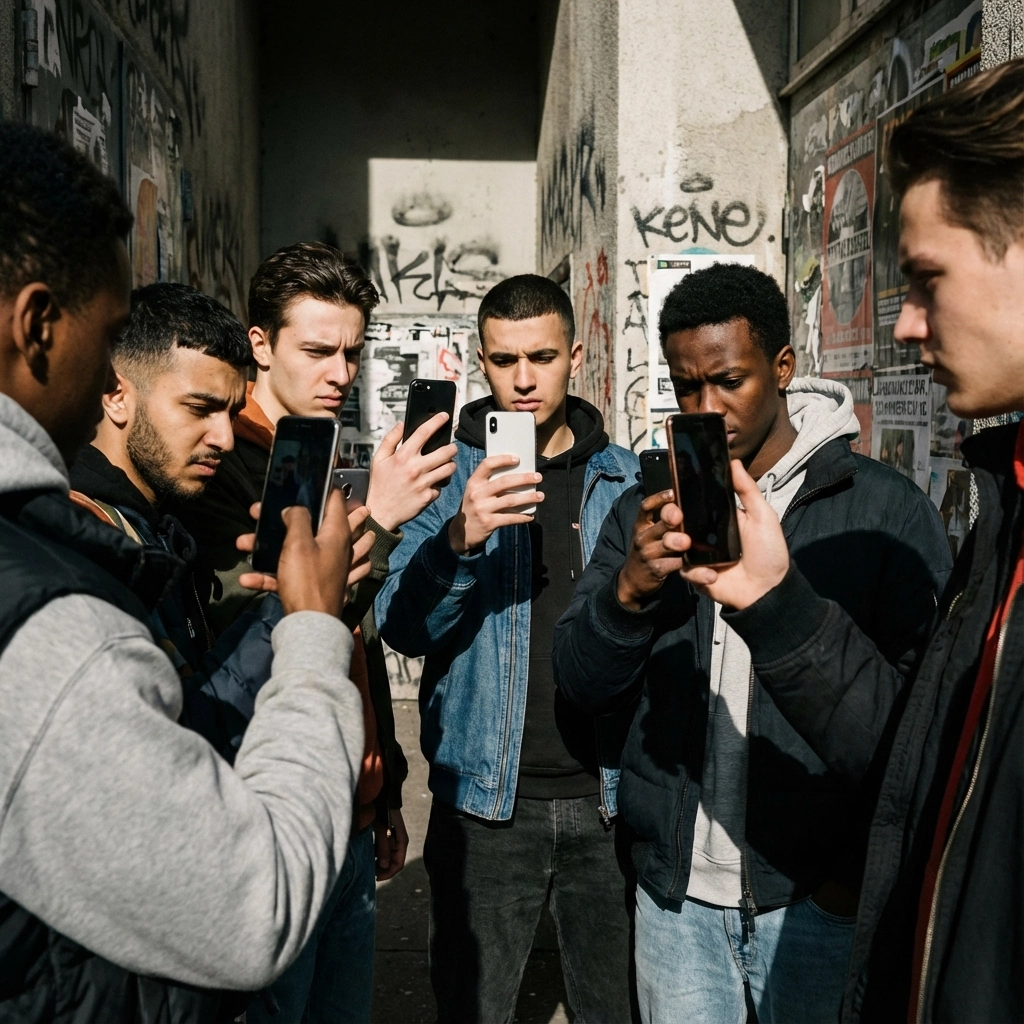
The movement has particularly taken hold among young men, a demographic that historically received less pressure about their appearance. Now they're experiencing the same beauty-related anxiety that women have dealt with for decades, but often without the same support systems or cultural understanding.
What makes looksmaxxing different from traditional beauty culture is its pseudo-scientific approach. This isn't just "be more attractive": it's "here's the mathematical formula for attractiveness, and here's how to achieve it."
The Dark Side Nobody Wants To Talk About
Here's where I need to get serious for a minute.
While some looksmaxxing advice is genuinely helpful: exercise, skincare, better grooming: the community has a significant dark side. The obsession with facial measurements and "ideal" proportions can fuel body dysmorphia and unhealthy behaviors.
I found threads discussing extreme dieting, dangerous supplements, and surgical procedures performed by unqualified practitioners. Young men sharing photos after multiple surgeries, still convinced they're "subhuman" because their canthal tilt isn't perfect.
The rating culture creates a hierarchy where your worth as a person becomes tied to numerical scores given by internet strangers. That's not healthy self-improvement: that's digital self-harm.
Mental health professionals have raised concerns about the psychological impact of these communities. When every interaction reinforces that your appearance determines your value, it's easy to spiral into obsessive behaviors.
The Economics of Insecurity
Let's talk money. The looksmaxxing industry is worth millions, built on the foundation of convincing people they need to change their faces to be worthy of love, success, or basic human respect.
Jaw exercise products, facial analysis apps, specialized grooming tools, supplements promising miraculous transformations: there's a product for every insecurity the community has identified.
The most profitable segment? Cosmetic surgery. Young men are increasingly seeking procedures like jaw implants, rhinoplasty, and eye surgeries specifically based on advice from looksmaxxing forums.
This represents a fundamental shift in the cosmetic surgery market, which was previously dominated by women. Now surgeons report increasing numbers of male patients requesting specific procedures based on internet beauty standards.

What Experts Actually Think
I spoke with several psychologists and dermatologists about the looksmaxxing phenomenon. The consensus? It's complicated.
The positive aspects: encouraging men to take care of their skin, exercise regularly, and pay attention to grooming: are genuinely beneficial. The problem emerges when self-improvement becomes self-obsession.
The mathematical approach to beauty can be particularly harmful, as when you reduce human attractiveness to numbers and measurements, you lose sight of the fact that real attraction is complex, individual, and largely subjective.
Dermatologists appreciate that young men are finally taking skincare seriously. But they're concerned about the extreme measures some pursue based on forum advice rather than professional consultation.
The surgical community is divided. Some surgeons refuse to operate on patients who seem obsessed with achieving internet beauty standards. Others argue that if someone wants to improve their appearance, that's their choice.
Common Questions About Looksmaxxing
Is looksmaxxing actually effective? Some aspects definitely work: skincare routines, exercise, and better grooming can genuinely improve your appearance. The extreme measures? Results vary wildly, and the psychological cost often outweighs any physical improvements.
Are these communities dangerous? They can be. While some advice is helpful, the obsessive culture and pressure to achieve unrealistic standards can fuel mental health issues and dangerous behaviors.
Why is this mostly young men? Social media has created new appearance pressures for men, while traditional masculine culture doesn't typically provide tools for dealing with beauty anxiety. Looksmaxxing offers a "scientific" approach that feels more acceptable than traditional beauty culture.
The Future of Digital Beauty Standards
As we move deeper into 2026, the looksmaxxing phenomenon represents something larger than just another internet subculture. It's a glimpse into how digital beauty standards are reshaping human relationships with our own bodies.
The technology will only get more sophisticated. AI facial analysis will become more accurate, virtual reality will let people "try on" surgical procedures, and social pressure to optimize your appearance will likely intensify.
The question isn't whether these technologies will advance: it's whether we'll develop healthier relationships with them.
Real attractiveness isn't about mathematical perfection or achieving internet beauty standards. It's about confidence, personality, kindness, and the countless other factors that make humans genuinely appealing to each other.
If you're considering diving into looksmaxxing communities, approach with serious caution. Take the helpful advice: better skincare, regular exercise, good grooming. Skip the obsessive measuring, rating culture, and pressure to achieve impossible standards.
Your worth as a human being isn't determined by your canthal tilt. Trust us on this one.


