


Position Guide: How to Tie Someone Up for Sex
Rope bondage isn't some dark art reserved for dungeon masters with decades of experience. It's not about recreating that one scene from Fifty Shades (please don't). And it doesn't require a PhD in knot theory.
What it is? A way to add some spice to your bedroom repertoire. The kind that makes you feel like you've unlocked a new pathway of intimacy.
But here's the thing everyone gets wrong about learning how to tie someone up for sex: they think it's all about the knots. Wrong. It's about trust, communication, and yes, a little bit of physics.

What You Actually Need (Less Than You Think)
Before you start shopping for an entire dungeon's worth of gear, here's your actual shopping list:
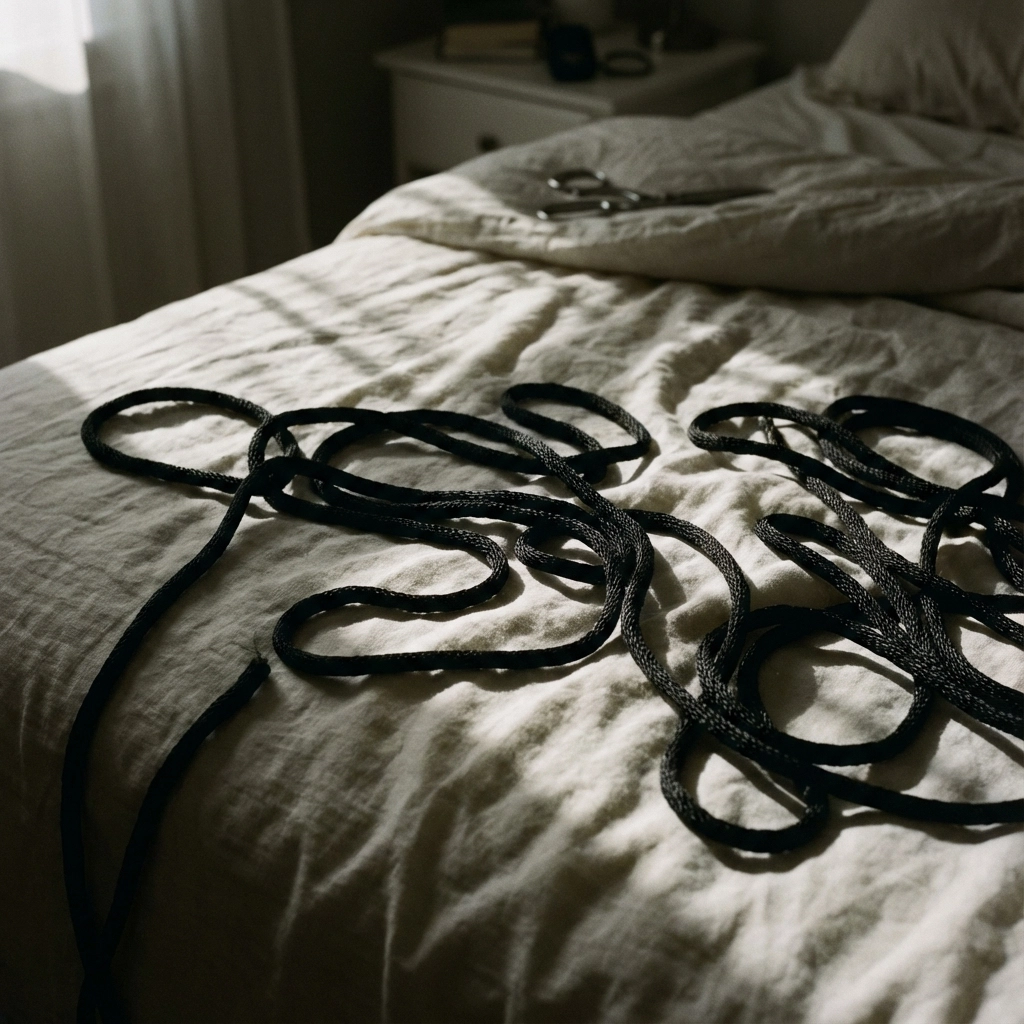
Rope: Skip the scratchy hardware store stuff. Cotton or silk rope works best for beginners. About 5-10M /20-30 feet should cover most basic bondage positions. Jute rope is popular in the shibari world, but it's rougher on the skin.
Safety shears: Non-negotiable. These bad boys can cut through rope in seconds if things go sideways. Keep them within arm's reach. Always.
Water: Dehydration is real, especially when adrenaline kicks in.
That's it. Seriously. You don't need a garage full of equipment to get started with safe bondage.
Safety First
Let's talk about the stuff that actually matters. Safe bondage isn't about following a rulebook, it's about using your brain.
Communication is everything.
Establish safe words before you even touch the rope. "Red" means stop immediately. "Yellow" means pause and check in. Keep it simple.
Know your anatomy.
Avoid tying anything around the neck, wrists (bones are close to the surface), or anywhere that cuts off circulation. The forearms, thighs, and torso are your friends.
Check circulation every 10-15 minutes.
If fingers or toes start turning blue or going numb, that's your cue to loosen things up. Tingling is normal. Color changes are not.
Start loose, go slow.
You can always tighten. You can't always undo nerve damage.
The Classics: Bondage Positions That Actually Work
1. Basic Wrist Restraint (The Gateway Drug)
This is your introduction to restraint play without the complexity of advanced BDSM knots.
Instead of tying directly around the wrists (hello, nerve damage), create loops around the forearms. Leave about two fingers' width of space. Secure the rope to the bedframe or have your partner hold their arms above their head.
Pro tip: Use a larks head knot. It's simple, secure, and releases easily under tension.
2. The Chest Harness (More Art Than Science)
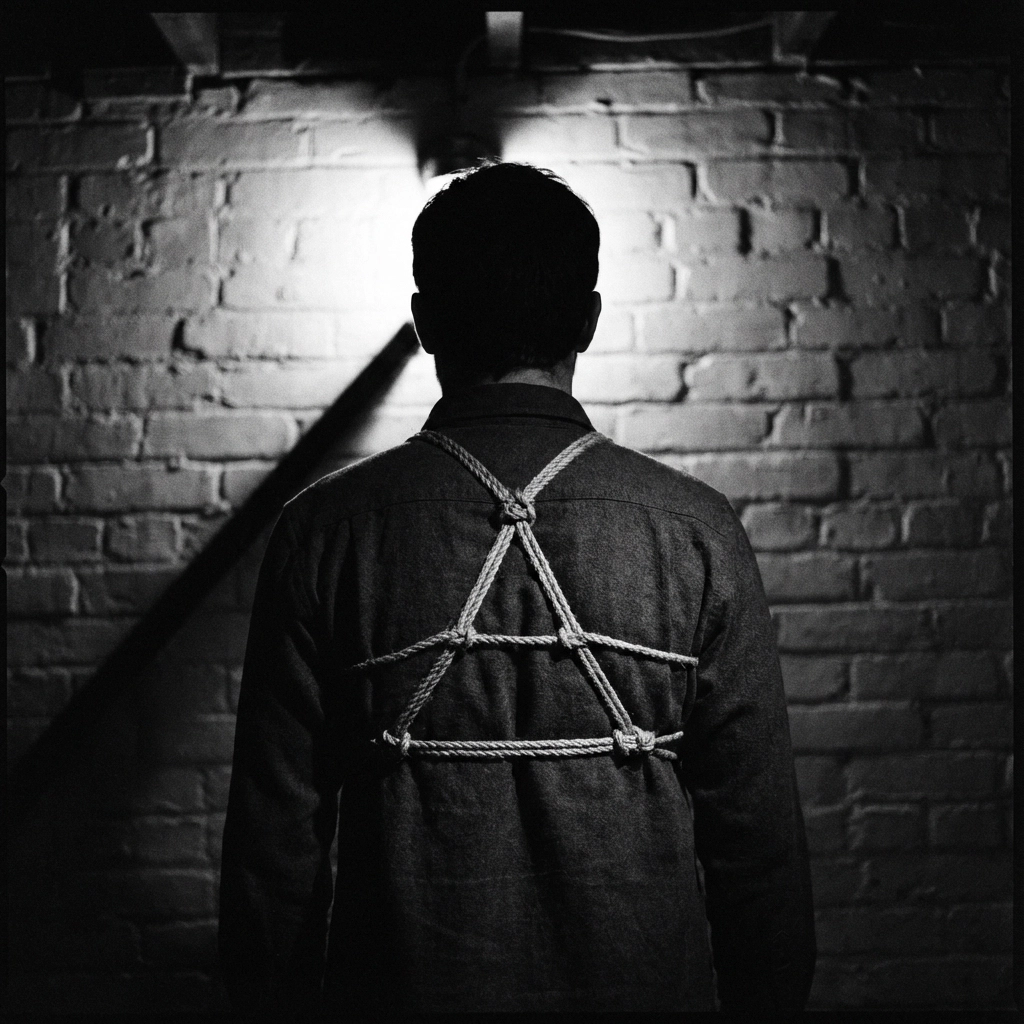
This one looks impressive but is surprisingly beginner-friendly. Start with your partner facing away from you.
Create a loop around the chest, just under the arms. Don't go too tight, they still need to breathe. Bring the rope over the shoulders and back down, creating a simple chest harness pattern.
The goal isn't to restrict movement completely. It's about creating sensation and the psychological element of being bound.
3. Legs Apart (The Spreadeagle Variation)
Attach restraints to each ankle, then secure to opposite corners of the bed. Keep enough slack so your partner can shift positions slightly.
This position works because it creates vulnerability without being uncomfortable for extended periods. Perfect for beginners who want to explore power dynamics.
4. The Chair Tie (Furniture Gets Kinky)
Have your partner sit in a sturdy chair. Tie their torso to the back of the chair, keeping the rope flat against their body. Secure ankles to chair legs, but leave some wiggle room.
This position is great because it's stable, accessible, and creates a nice psychological dynamic without requiring advanced rope work.
5. Modified Hogtie (Advanced Beginners Only)
This is where things get interesting. Your partner lies on their stomach. Bind ankles together, then connect to a chest harness with enough rope that they can lie flat but can't straighten out completely.
Warning: This position requires constant monitoring. Never leave someone alone in any variation of a hogtie.
When Things Go Wrong (And They Will)
Your rope gets stuck. Your knot turns into an unsolvable puzzle. Someone starts panicking.
Don't panic yourself.
Keep those safety shears handy and use them if needed. A cut rope is cheaper than a trip to the hospital.
Communication breaks down.
If safe words aren't working, stop everything. Check in. Figure out what's happening.
Circulation issues.
Loosen immediately. Massage the area gently. If numbness persists after releasing the restraint, seek medical attention.
Things I Wish Someone Had Told Me
Here's my confession: the first time I tried rope bondage, I spent twenty minutes trying to untie what should have been a simple knot while my partner waited patiently (and slightly amused) on the bed.
The lesson? Practice your knots on yourself first. Seriously. Tie your own ankle to get a feel for how tight is too tight. Practice your release techniques until they're second nature.
Also, that whole "natural dominant" thing? Total myth. Good rope bondage requires practice, patience, and a willingness to laugh when things go weird. Which they will.

The Psychology Behind the Rope
What makes restraint play so appealing isn't just the physical sensation, it's the mental game. The person being tied gets to surrender control. The person doing the tying gets to take responsibility for their partner's pleasure and safety.
It's intimate in a way that regular sex sometimes isn't. You're literally trusting someone with your physical safety. That's intense, and it creates a connection that goes beyond the bedroom.
Beginner Mistakes Everyone Makes
Going too fast.
Take your time. Enjoy the process. Half the fun is in the anticipation and the slow build-up of restraint.
Focusing only on the destination.
The tying itself is foreplay. Use it as such.
Skipping the aftercare.
More on this in a second, but seriously, don't skip this part.
Trying to replicate porn.
Those elaborate suspension scenes you see online? They took years to master. Start with the basics.
Aftercare Isn't Optional
After you release the restraints, the scene isn't over. Aftercare is crucial for both physical and emotional well-being.
Check for marks or soreness. Provide water and snacks. Talk about what worked and what didn't. Some people get emotional after intense scenes, this is normal and nothing to worry about.
Physical aftercare is straightforward: massage areas where rope was applied, check circulation, treat any minor marks with care.
Emotional aftercare varies by person. Some want to cuddle and talk. Others need space to process. Figure out what works for your dynamic.
The most important thing? Check in again the next day. Sometimes reactions to intense scenes don't show up until later.
Ready to Get Tied Up in the Best Way?
Rope bondage doesn't have to be intimidating. Start simple, communicate constantly, and remember that everyone's learning curve is different.
The goal isn't to become a rope master overnight. It's to explore trust, sensation, and power dynamics in a way that works for you and your partner.
And hey: if your first attempt looks more like a macrame disaster than a scene from your fantasies, you're probably doing it right. The best restraint play comes from practice, patience, and a sense of humor about the whole thing.
Want to dive deeper into power dynamics and aftercare? Check out more resources on safe BDSM practices and communication techniques. Because the hottest thing about rope bondage isn't the rope: it's the trust.


