


Subdrop Survival: Why Your Brain Crashes After Kink
A few hours ago, you were on top of the world, or more likely, on your knees, riding a wave of sensory intensity so sharp it felt like it might actually shatter the space-time continuum. You were invincible, glowing, and chemically superior.
Now, you’re just a shivering mess. You’re wondering if your partner actually hates you, if the scene was a mistake, or if you should just quit your submissive yearns entirely and become a monk.
Welcome to sub drop: the hormonal, emotional, sometimes existential crash that can hit after a BDSM scene, even a beautiful one.

If you've ever felt hollow, dizzy, clingy, weepy, furious, gross, numb, or like texting your Dom “are you mad at me?” for the eighth time in a row — you're not broken. You're just in sub drop.
It’s not a weakness. It’s not a red flag. It’s not even always about them.
It’s chemistry. Nervous system fallout. A full-body response to intensity — pleasure, pain, power play, surrender.
Let’s talk about what it is, why it happens, and how to climb out without turning your leash into a noose.
What Is Sub Drop, Really?
Endorphins are the body’s natural morphine. They flood your system to mask pain and create that floaty, untouchable "sub space" high.
According to research on the neurobiology of BDSM, these chemicals are released in massive, unnatural quantities during a session.
The catch is that your brain is a damp sponge with a limited supply of the good stuff. It releases these chemicals at a rate it can’t possibly sustain. Once the scene ends and the adrenaline fades, your levels don’t just "go back to normal", they crater. You’ve overdrawn your neurochemical bank account, and your brain is now frantically trying to replenish its stores while you’re left with the biological equivalent of a hangover.
It’s your nervous system sobbing in the corner and no one to hold it.
Symptoms can include:
Fatigue
Mood swings
Crying out of nowhere
Overthinking (especially about the scene, or your partner)
Feeling “used” or overly vulnerable
Physical aches
Needing constant reassurance
Regret — even if the scene was consensual and positive
A sudden craving for comfort, sugar, or… nothing at all
You’re not weak. You’re human. You went deep. Now you have to surface.
It’s Not a Relationship Crisis, It’s Physics
The most dangerous part of subdrop isn’t the crying; it’s the narrative you build around the crying. Your brain, desperate to find a reason for why you suddenly feel like a discarded cigarette butt, will start looking for external culprits.
“They didn't cuddle me long enough.”“I bet they think I’m weird for wanting that.”“The connection felt fake.”
Stop. If you went into the scene with a solid kink sheet and a clear manifesto, trust the version of yourself that was sane before the crash. Subdrop doesn't mean the scene was bad. In fact, ironically, the more intense and "successful" the scene was, the harder the drop usually hits. It’s a physiological response, not a spiritual omen.
In the scene, we talk a lot about consent and safety, but we don't talk enough about the fact that your body doesn't know the difference between "consensual trauma" and a genuine crisis once the lights go up. Your amygdala is screaming because it thinks you just survived a predator attack, and now it may wants to hide under a duvet until 2028.

The Symptoms: From Shivers to Existential Dread
Subdrop looks different for everyone, but there’s a general checklist of misery you might recognize:
The Physical Flu:
Shivering, headaches, or a general feeling of being physically bruised (even if there are no marks). Your body is exhausted from the cortisol spike.
The Emotional Void:
A sudden, inexplicable sadness. You might find yourself crying over a commercial for laundry detergent or because your delivery order was five minutes late.
Vulnerability Overload:
Feeling "skinless." Everything feels too loud, too bright, and too much.
The "Top Drop" (Yes, it’s real):
Dominants aren't immune. They often experience a massive crash of responsibility and guilt after a scene, wondering if they pushed too hard or if they’re actually just a monster.
Q&A for the Chemically Crashing
How long does subdrop usually last?
Generally, the worst of it passes within 24 to 72 hours. If you’re still feeling like a ghost a week later, it might not be subdrop, it might be burnout or an actual issue that needs addressing.
Can you prevent subdrop?
Not entirely, if the scene is intense enough. But you can mitigate it. Proper aftercare, cuddling, eating, and verbal reassurance, acts like a parachute. It doesn't stop the descent, but it prevents the splat at the bottom.
Is it normal to feel angry during subdrop?
Surprisingly, yes. Some people experience "sub-rage" where the vulnerability turns into a defensive prickliness. If you feel like snapping at everyone, take a nap. You’re likely just overstimulated.
Should I tell my partner I’m dropping?
Yes. Always. Even if you’re doing solo play, having a "drop buddy" who knows you might need a check-in text the next day is a game changer.
The Aftermath
Subdrop is the price we pay for the transcendence we find in kink. It’s the dark side of the moon. It’s messy, it’s inconvenient, and it makes you feel like a fragile child in a world built for adults. But once the chemicals balance out, and the grey fog lifts, you usually realize that the depth of the drop was just a reflection of how high you actually climbed.
Take your vitamins, put on your oversized sweater, and stop overthinking the text your partner sent three hours ago. You aren’t unloved; you’re just low on serotonin.
The Survival Kit: How to Rebuild Your Brain
If you’re currently in the thick of it, or planning your next session of 5 easy BDSM practices, here is your tactical recovery plan.
1. Hydrate Like Your Life Depends on It
Your brain needs water to process the chemical waste. Drink more than you think you need. Avoid caffeine, it’ll just make the jitters worse.
2. The Sugar Spike
Your brain used up its glucose stores during the scene. This is not the time for a keto salad. Eat a chocolate bar, drink some orange juice, or order that greasy burger. Give your body the fuel it needs to start the repair process.
3. Sensory Comfort
Soft blankets, heavy hoodies, and low lighting. You need to signal to your nervous system that the "threat" is over and the world is soft again.
4. Low-Stakes Communication
If you’re with your partner, don’t try to have a "deep talk" about the future of your relationship while you’re dropping. Just ask for what you need physically. "I feel low, please just hold me and tell me I'm okay" is a complete sentence.
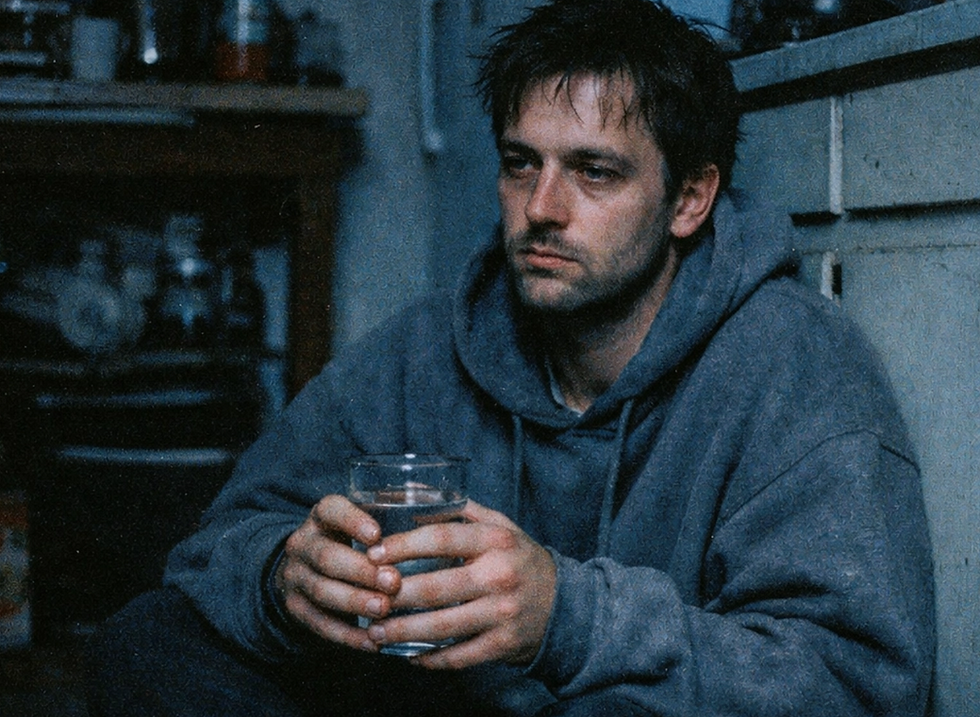
Why Sub Drop Can Feel Worse After Breakups or New Play
Sub drop hits harder when:
The scene was intense (emotionally or physically)
There wasn’t enough aftercare (intentional or not)
You’re new to kink, and your nervous system’s still adjusting
You’re in a new dynamic, and don’t fully trust the person yet
You just ended a BDSM relationship, and tried to solo-scene your way through the ache
There’s unresolved trauma lingering under the surface
And in all honesty: sometimes we may use scenes to go numb. To override pain. To feel something other than our regular lives. When that ends, the thing you didn’t want to feel comes roaring back — now wearing a collar and heels.

How to Recover from Sub Drop (Without Texting Your Ex-Dom)
1. Plan Your Aftercare in Advance
Sub drop isn’t just an accident — it’s predictable. Plan your aftercare like you plan your scene.
Comfy clothes (or none at all)
Weighted blankets
Stuffed animals (don’t laugh)
Snacks — especially sweet things
Water
Music that doesn’t make you spiral
A bath, a journal, a nap
Give your post-scene self the same tenderness you give your tied-up, tear-streaked sub self.
2. Tell Your Play Partner It’s Real
Before the scene even starts, say something like:
“Hey, I tend to get intense sub drop. I might need some extra aftercare, or even a check-in tomorrow. Would that be okay?”
The right Dom will not flinch. The right Dom will know drop is real and have a plan.
If they don’t — drop them instead.
3. Don’t Rush Integration
You don’t need to “understand” everything you felt during the scene immediately. You don’t need to analyze it to death. You don’t even need to make meaning yet.
Just feel. Then write. Then rest.
Your body will tell you what it needs to process — if you stop trying to shame it.
4. Have a Drop Buddy
If you don’t want to call your scene partner, have a trusted friend who gets kink — or at least trauma, hormones, and intensity — who you can text or call.
A simple “I’m dropping — just need someone to witness” can shift everything.
5. Do Not Panic Text
The urge to ask, “Was that okay?” or “Do you still like me?” or “Did I do something wrong?” can be overwhelming. And valid.
But take a beat.
Are you seeking reassurance, or are you craving co-regulation that you forgot to build for yourself?
Try writing the message, but don’t send it. Go for a walk. Read this article again.Then decide if it still needs to be said.
6. Normalize It With Yourself
This is what happens when you play with power. With your own edges. With your nervous system. Drop is not dysfunction. It’s a sign you went somewhere real.
You're not "too sensitive." You're a body in recovery from bliss and control. Let that be okay.
Things That Feel Like Sub Drop But Aren’t
When your Dom goes quiet for a day (maybe they’re decompressing too)
When you feel “dirty” after intense play — that's shame talking, not truth
When the scene triggers old wounds — that’s your inner child, not your partner
When orgasm comedown hits harder than expected (hormones again, baby)
Sub Drop Doesn’t Mean the Scene Was Bad
This is huge.
You can have a perfectly safe, consensual, hot as hell scene — and still feel like garbage after.
This doesn’t mean you weren’t into it.
It doesn’t mean you need to stop playing.
It just means your body needs time to re-regulate.
Give it that time. Gently. Sensually.
You are not broken. You are integrating.
You’re allowed to crash. You’re allowed to rebuild.
The scene ended — but the care doesn’t have to.


