


Life Hacks to Making Your Vagina Taste and Smell Good
The reality is that your vagina has a scent, a taste, and an entire ecosystem going on down there that you're somehow supposed to just... figure out on your own. Fun, right?

Here's a little guide form your friend who's read way too many microbiology papers at 3 AM: your vagina is supposed to smell and taste like a vagina, which, when healthy, is not a strong odour, that's doing exactly what it's designed to do.
But if you're here because you're curious about what actually affects vaginal taste and smell (or because someone made a comment and now you're spiraling), let's get into the science without the shame.
The pH Situation: Why Your Vagina Is Basically a Self-Cleaning Acid Bath
Your vagina maintains a pH between 3.8 and 4.5, which is acidic enough to ward off most bad bacteria while keeping the good stuff thriving. That "good stuff" is primarily Lactobacillus, a bacteria that feeds on glycogen (a sugar stored in vaginal cells) and produces lactic acid and hydrogen peroxide as byproducts.
This is why your vagina is often described as "self-cleaning." It literally maintains its own chemical balance, and when you mess with that balance, through douching, harsh soaps, or poorly thought-out "cleanses", you're sabotaging a perfectly engineered system.
Normal vaginal scent can differ from person to person, and be either slightly musky, tangy, or even metallic (especially around your period when blood alters the pH temporarily). If it smells fishy, that's usually bacterial vaginosis (BV), which happens when the Lactobacillus population drops and other bacteria take over. If it smells yeasty or bread-like, you might have a yeast infection. Both need actual medical attention, not perfume.
What You Eat Actually Does Matter (But Not the Way You Think)
The pineapple myth is everywhere: eat pineapple, taste like dessert. Except there's almost zero scientific evidence backing this up. It's anecdotal at best, and at worst, it's setting people up to chug pineapple juice like it's a magic potion while ignoring the actual factors that influence taste and smell.
Here's what does matter:
Hydration. Water flushes toxins, supports your body's natural detox processes, and keeps everything, including vaginal secretions, less concentrated. If you're dehydrated, everything gets more pungent. Aim for at least eight glasses daily, and yes, that boring advice actually works.
Sugar and yeast. High sugar intake can feed Candida (the yeast that causes infections), which throws off your pH and can make things smell yeasty or overly sweet in an unpleasant way. If you're constantly battling yeast infections, cutting back on refined sugar might actually help more than any trendy probiotic.

Fermented foods. Yogurt, kefir, sauerkraut, kimchi, these are loaded with probiotics that support your gut microbiome, which indirectly supports your vaginal microbiome. Some studies suggest that probiotics containing Lactobacillus acidophilus and L. rhamnosus can help maintain vaginal flora and reduce odor-causing bacteria, though the research is still developing.
Garlic and cruciferous vegetables. They contain sulfur compounds that can make bodily fluids (sweat, urine, and yes, vaginal secretions) smell stronger. That doesn't mean they're bad for you, garlic has antimicrobial properties, but if you're about to have a night that involves someone's face in your crotch, maybe skip the extra garlic bread.
The Douche Myth: Stop Trying to "Clean" Something That's Already Clean
Douching is one of those things that sounds logical but is actually a disaster for vaginal health. The vagina doesn't need internal washing. It doesn't need scented rinses, vinegar baths shot up inside it, or any other DIY spa treatment.
When you douche, you're washing away the Lactobacillus and disrupting the pH balance, which can lead to BV, yeast infections, and even pelvic inflammatory disease. If you're douching because you think it'll make you "cleaner" or smell better, you're actually making the problem worse.
What you should do instead: Wash only the vulva (the external part) with warm water and mild, unscented soap. Rinse thoroughly. That's it. The inside takes care of itself.
If you're dealing with persistent odor despite good hygiene, that's a sign to see a healthcare provider, not a sign to start experimenting with home remedies.
Breathable Fabrics and the Case Against Thongs
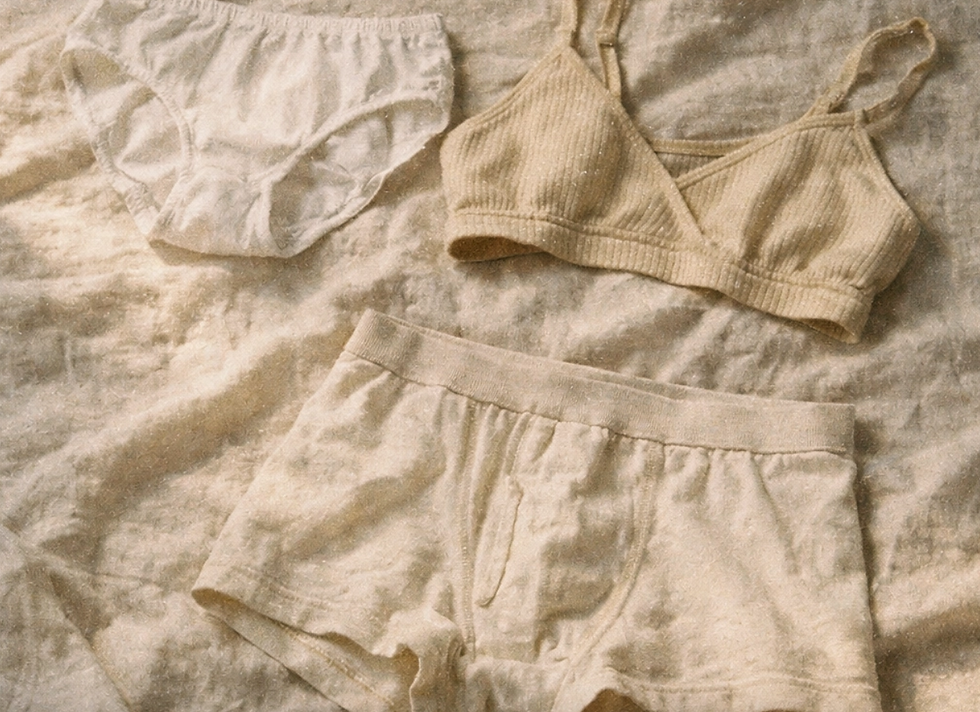
Your underwear matters more than you think. Cotton is breathable and absorbs moisture, which keeps bacteria from breeding in a warm, damp environment. Synthetic fabrics like polyester or lace can trap heat and moisture, creating a perfect storm for odor and infections.
Go commando at night if you can. Letting everything air out while you sleep reduces moisture buildup and gives your vulva a break from fabric friction.
And yes, thongs, especially synthetic ones worn all day, can be a problem. They create a highway for bacteria to travel from your anus to your vagina, which is exactly as fun as it sounds.

Beta-Carboline Alkaloids and Other Nerdy Factors You Didn't Know About
Here's some deep-cut biology: certain compounds in your diet can influence the chemical composition of bodily fluids. Beta-carboline alkaloids, found in foods like coffee, cooked meat, and tobacco, can alter neurotransmitter activity and potentially affect how your body metabolizes certain compounds.
While there's limited research directly linking beta-carbolines to vaginal taste, the broader point stands: what you put into your body affects what comes out of it. That includes sweat, urine, and vaginal secretions.
Alcohol and smoking are notorious for making everything, breath, sweat, and yes, genital taste: more bitter and harsh. If you're a heavy smoker or drink frequently, that's going to show up in your body chemistry.
When to Actually Worry
Most vaginal scents are totally normal and healthy. But there are red flags:
Fishy smell: Likely bacterial vaginosis. Needs antibiotics.
Yeasty or bread-like smell: Probably a yeast infection. Treatable with antifungals.
Rotten or foul smell: Could indicate a forgotten tampon, severe infection, or other issue. See a doctor immediately.
Sudden changes in smell, discharge, or irritation: Get it checked out.
Your vagina's baseline scent can shift throughout your cycle (it's often stronger around ovulation and menstruation), and that's completely normal. But if something feels off, trust your instincts and get medical advice.
Some Real Talk on Oral Sex and Taste
If you're stressing about this because of oral sex, here's the reality: most people who enjoy giving oral sex are not expecting a vanilla creme brulé. But to eat you out, and get a taste of your vagina.
If someone makes you feel bad about how you taste or smell (assuming you're healthy and practicing basic hygiene), that's not on you. They may simply not be into it, and that's ok. Hopefully there are many other things you can do together. It's also a great reason to explore what you're actually into and with whom, because sexual compatibility includes not being shamed for your biology.
The Bottom Line
Your vagina doesn't need you to "fix" it with extreme diets, douches, or internet hacks.
What does help: staying hydrated, eating a balanced diet with probiotics, wearing breathable underwear, and washing only the external parts with mild soap. Skip the sugar binges, go easy on garlic before a date, and for the love of all things holy, stop douching.
If something feels off, see a doctor. If someone makes you feel bad about your body's natural state, maybe reconsider whether they deserve access to it in the first place.


