


The 'Oxytocin Hangover': The Neuroscience of Sub-Drop & Dom-Drop
Your coffee tastes like dishwater. That scene you had Saturday night, the one that felt like ascending to another dimension, now feels like it happened to someone else. You're not sad, exactly. You're just... hollow. Empty. Like someone scooped out your insides and replaced them with static.

Welcome to the oxytocin hangover. It's not poetic melancholy. It's your brain throwing a tantrum because you cut off its supply.
The Golden Trio: Your Brain on a Heavy Scene
During intense BDSM play, your brain becomes a neurochemical rave. Three major players flood your system: endorphins (your body's natural opioids), oxytocin (the bonding hormone), and dopamine (the reward chemical). Together, they create what researchers call the "Golden Trio", a pharmaceutical-grade high that makes everything feel profound, connected, and borderline spiritual.
When you're mid-scene, your hypothalamic-pituitary-adrenal (HPA) axis goes into overdrive. Pain becomes pleasure. Vulnerability becomes power. Your prefrontal cortex, the part of your brain responsible for anxiety and self-consciousness, essentially goes offline. You're operating on pure limbic system, raw sensation, and neurotransmitter soup.
For subs, this cocktail includes a massive surge of oxytocin from physical touch, restraint, and the psychological surrender of control. For doms, dopamine spikes from the responsibility, decision-making, and power exchange. Both parties are essentially getting high on their own supply.
And then the scene ends.

The Crash: What Actually Happens During Drop
Here's the ugly truth: your brain doesn't gradually come down from that high. It crashes. Hard.
When the intense stimulus stops, your neurotransmitter levels don't just return to baseline, they plummet below it. This is called receptor downregulation, and it's the same mechanism behind drug withdrawal. Your brain has been flooded with feel-good chemicals, so it temporarily decreases the number of receptors to protect itself from overstimulation. When the chemical flood stops, you're left with fewer receptors and lower-than-normal neurotransmitter levels.
Translation: You feel like absolute garbage.
This is sub-drop and dom-drop, and they're not psychological weaknesses. They're literal biochemical events.
Sub-Drop: The Loss of the Care High
Sub-drop typically hits 24-72 hours after a scene. It's characterized by sudden sadness, fatigue, irritability, and a desperate craving for physical touch. Some people describe it as feeling "orphaned" or "abandoned," even when their partner is right there.
The biological culprit? Oxytocin withdrawal.
During the scene, your oxytocin levels skyrocketed from physical restraint, impact play, and the intense emotional intimacy of submission. Oxytocin is the hormone responsible for bonding, trust, and that warm "held" feeling. When it drops, your brain interprets the absence as a threat. Your HPA axis, already exhausted from the scene, can't regulate your stress response properly. Cortisol spikes. You feel unmoored.
For those into impact play, the endorphin crash is particularly brutal. Endorphins are your body's natural painkillers, chemically similar to morphine. When they disappear, you're left with the physical aftermath (bruises, soreness) without the natural anesthetic. Your nervous system is raw.
Dom-Drop: The Sudden Loss of Purpose
Dom-drop is less talked about, but it's just as real, and often more confusing because dominants are "supposed" to be in control.
The mechanism is different. For doms, the high comes primarily from dopamine: the reward chemical released during decision-making, control, and seeing your actions create a response in your partner. During a scene, you're getting constant dopamine hits from orchestrating an experience, managing someone's vulnerability, and being needed.
When the scene ends, that sense of purpose evaporates. The dopamine stops. You're left with the psychological weight of what just happened, the responsibility, the potential harm, the ethical complexity of consensually hurting someone you care about, without the neurochemical reward that made it feel righteous in the moment.
Many doms describe dom-drop as guilt, emptiness, or a sudden crisis of "what the hell am I doing?" It's your brain's way of saying: Where's my reward feedback loop?
Why Does Drop Hit on Tuesday?
Here's the kicker: drop rarely hits immediately. Most people feel amazing right after a scene. You're still riding the tail end of the chemical wave, basking in aftercare and post-orgasmic bliss.
The crash comes 1-3 days later because that's how long it takes for neurotransmitter stores to fully deplete and for your HPA axis to realize it's been running on fumes. Your body has been in a heightened stress state (even though it felt good), and now it's demanding recovery time. Cortisol levels remain elevated, disrupting sleep and mood regulation. Your serotonin, responsible for emotional stability, is also tanking because it's been overshadowed by dopamine and endorphins.
Essentially, your brain is having a biochemical reckoning.

Recovery Hacks: How to Biologically Manage Drop
The bad news: you can't prevent drop entirely. The good news: you can significantly soften the landing.
1. The Aftercare Buffet: Trickle-Feed Your Oxytocin
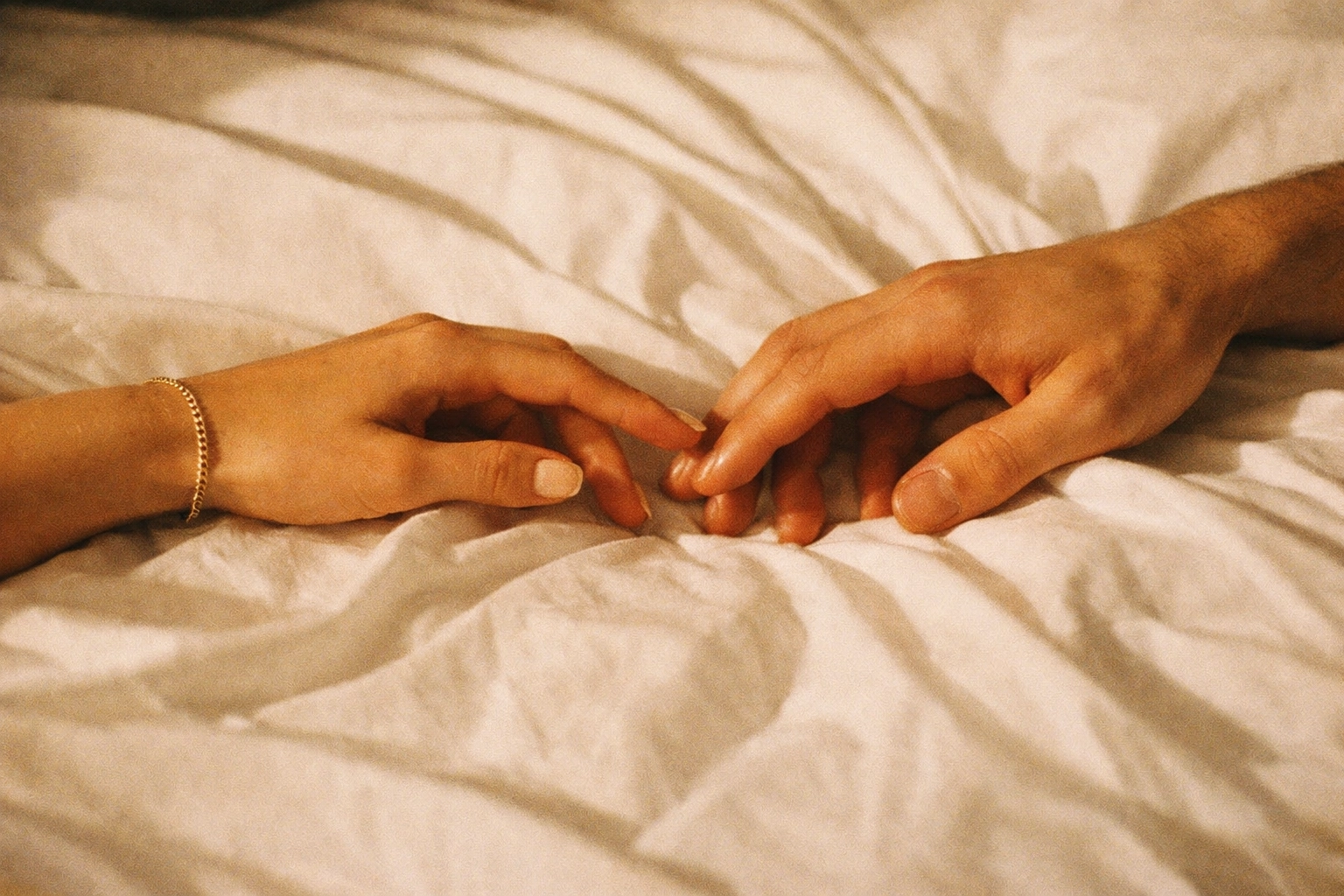
Oxytocin doesn't have to come from sex or scenes. Physical touch, any physical touch, stimulates oxytocin production. After a heavy scene, prioritize skin-to-skin contact: cuddling, hand-holding, even just sitting close while watching TV. Think of it as a slow-release mechanism for your bonding hormone.
If you're into group dynamics or exploring non-monogamy, events like finding a local orgy can offer that communal, touch-heavy environment that keeps oxytocin trickling. (Though maybe wait until you're not actively drop-crashed to attend.)
2. Hydration and Electrolytes: Neurotransmitters Need Fluid
This sounds stupidly simple, but dehydration makes drop significantly worse.
Neurotransmitter synthesis requires water, sodium, potassium, and magnesium. During intense physical activity (yes, BDSM counts), you lose fluids and electrolytes through sweat and stress hormones.
Drink water. Eat salty snacks. Have a banana. Your brain will thank you.
3. Plan for the Drop Schedule
If you know drop typically hits you on Tuesday after a Saturday scene, plan for it. Don't schedule high-stress meetings. Block out time for rest. Treat it like a hangover, because neurologically, it is one.
Many people in Berlin's BDSM scene build "recovery days" into their social calendars after club nights, recognizing that the crash is part of the experience. It's not weakness, it's biochemistry.
4. The Kink Sheet: Negotiate Aftercare Before the Scene
One of the most underrated tools for managing drop is having a solid Kink Sheet that explicitly outlines aftercare needs. Do you need a check-in text the next day? A scheduled phone call? Three days of low-key physical proximity?
Negotiate this before you're in the hormonal soup of a scene. Your Tuesday-self will thank your Saturday-self.

Is There a Way to Prevent Drop Entirely?
Short answer: No. Long answer: You can minimize it, but you can't eliminate it without also eliminating the high. The crash is the biochemical price of the peak.
Some people experiment with "gentler" scenes to avoid severe drops, but that's a personal risk-assessment. The intensity that creates profound experiences is the same intensity that creates profound crashes. It's a feature, not a bug.
The goal isn't to avoid drop: it's to stop being surprised by it, to recognize it as a biological process rather than an emotional failure, and to have a recovery protocol that doesn't involve spiraling into existential dread while staring at your cubicle wall.
The Tuesday Blues Are Real (And That's Okay)

Drop is your brain's receipt for an extraordinary experience. It's proof that you pushed your neurochemistry to its limits and lived something outside the everyday hum of existence. The fact that you feel hollow on Tuesday means Saturday mattered.
The trick is to stop pathologizing it. You're not broken. You're not doing kink wrong. You're just a biological organism experiencing the predictable aftermath of a biochemical event.
So the next time you're sitting there on a Tuesday, staring into space, feeling like your soul got scooped out with a melon baller: drink some water, text your person, and remember: your brain is just recalibrating. The oxytocin will come back. The dopamine will restock. And by next weekend, you'll probably be ready to do it all over again.

