


The Spanking Guide: How to Deliver the Perfect Hand
Spanking is one of those things everyone jokes about until it’s happening in real life and suddenly your hand is hovering mid-air like it’s waiting for HR approval.
Not the sanitized “have you considered impact play?” TED Talk version. The real version: sweaty, loud, a little ridiculous, and—when it’s done right—so intimate it feels like you briefly moved into someone’s nervous system and paid rent.

Most “spanking guide” content reads like it was written by someone who’s never been in a room where the vibe is: consent, chaos, and a very specific kind of trust. It’s either medical-textbook dry (killing the mood) or so vague it should come with a helmet. Neither helps when you’re trying to create intensity without creating an injury report.
So yes: spanking is a skill. Not a spiritual journey. Not a personality. Just a thing you can do well—with timing, attention, and a tiny bit of self-control.

Why Your Brain Wants This (The Science Nobody Asked For)
Let’s get the boring part over with (affectionate): why does this feel good? Why does a smack on the ass translate as “more please” for so many people?
The chemical answer
Your body handles intense sensation by throwing its own little afterparty: endorphins and other pain-modulating chemicals. Pain and pleasure aren’t separate departments—they share hallways. This is why “ouch” can slide into “oh” when the context is consensual and controlled.
The human answer
Power, permission, attention, being “made to feel” something on purpose. Also: the relief of not having to be polite for five minutes.
If you want more of the power-exchange side without it turning into a sermon, our piece on feminization fetish and power exchange is a good adjacent rabbit hole.
The Conversation You Actually Need to Have
Every guide says “communicate” like it’s a cute optional garnish. It’s not. It’s literally the difference between “hot” and “why am I dissociating.”
Also: communicating doesn’t mean whipping out a laminated checklist and reading it like you’re doing airport security. It means saying a few real sentences that keep everyone safe and keep the vibe intact.
What to actually say (steal this, don’t reinvent language)
The basics (keep it under 5 minutes):
“Any injuries / spots that are a hard no today?”
“Do you want stingy, thuddy, or a mix?”
“How do you want me to check in—words, a tap, a look?”
“Safeword and a nonverbal signal. Pick something you won’t moan by accident.”
The vibe check (aka: what story are we telling with our bodies):
“Playful or mean?”
“Are we doing a dynamic or just… spanking because it’s Tuesday?”
“When we’re done, do you want cuddly, quiet, or space?”
If that convo feels slightly awkward, good. Real people are awkward. Porn isn’t a documentary.
If you want more context on power dynamics without turning your bedroom into a management seminar, our guide on female-led relationships maps the “who’s in charge and why is that hot” part pretty well.
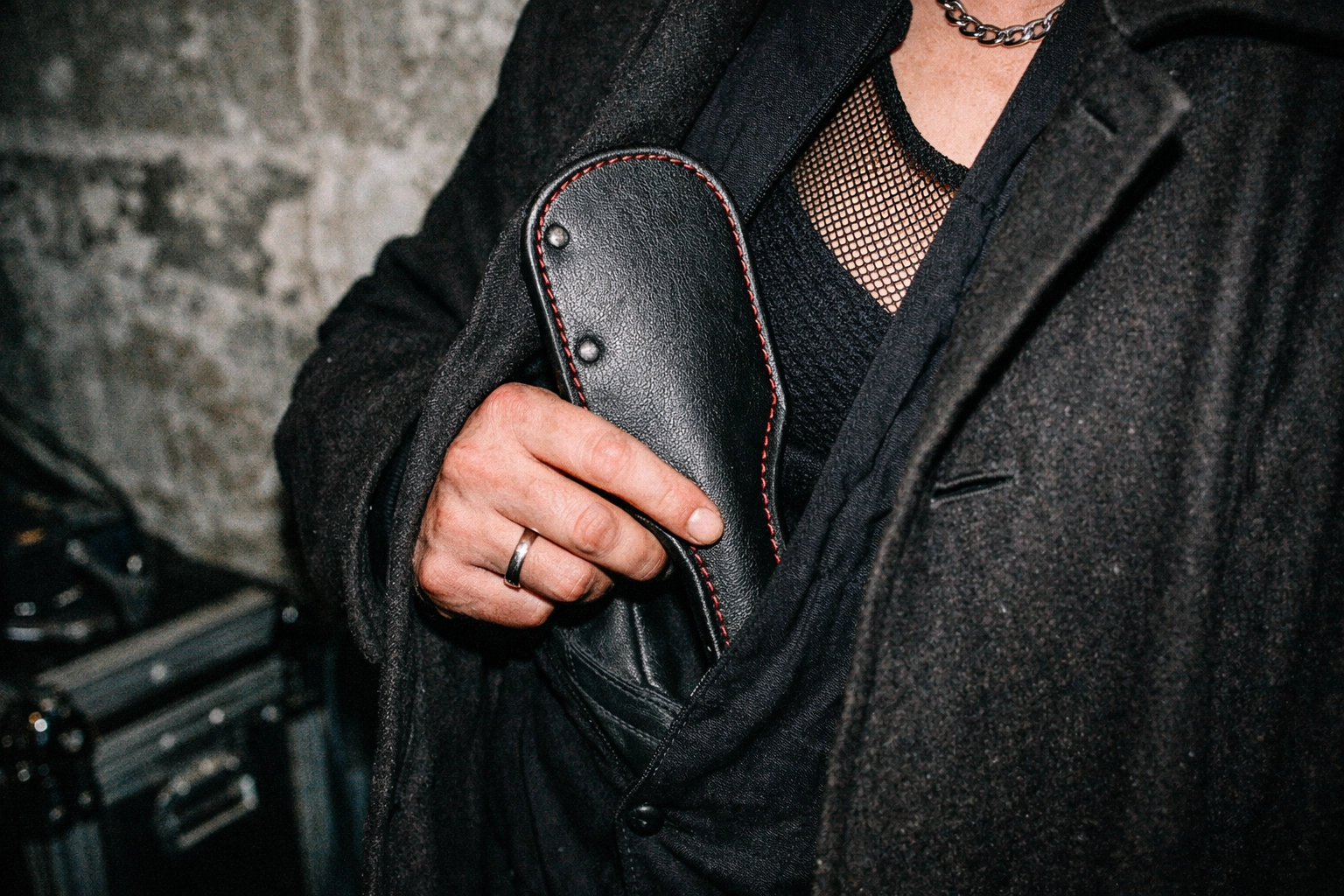
The Anatomy of a Good Hit
We’re not doing “instructional manual,” but we are doing “don’t be chaotic with someone’s nervous system.” Here’s the anatomy, without the teacher voice.
Where to hit (the part people mess up): Aim for the fleshy part of the cheeks. Stay away from anything bony or vital: tailbone, lower back, kidneys. If you’re thinking “lol kidneys,” please remember you only get two.
A useful mental map: each cheek has a safe, fleshy zone. If you drift up and inward (toward spine), you’re leaving Fun City.
Warm-up (aka: don’t open with your greatest hit): Start lighter than your ego wants. Those “nothing” taps? They’re not nothing. They wake up the skin, get blood moving, and let the receiver’s body calibrate.
Rhythm beats brute force: Consistency reads as “I’m in control.” Random, jagged smacks read as “I’m improvising violence.” (Not the genre we’re publishing today.)
Hand shape: Slightly cupped = deeper “thud.” Flat palm = sharper “sting.” Neither is morally superior. It’s just… sound design.
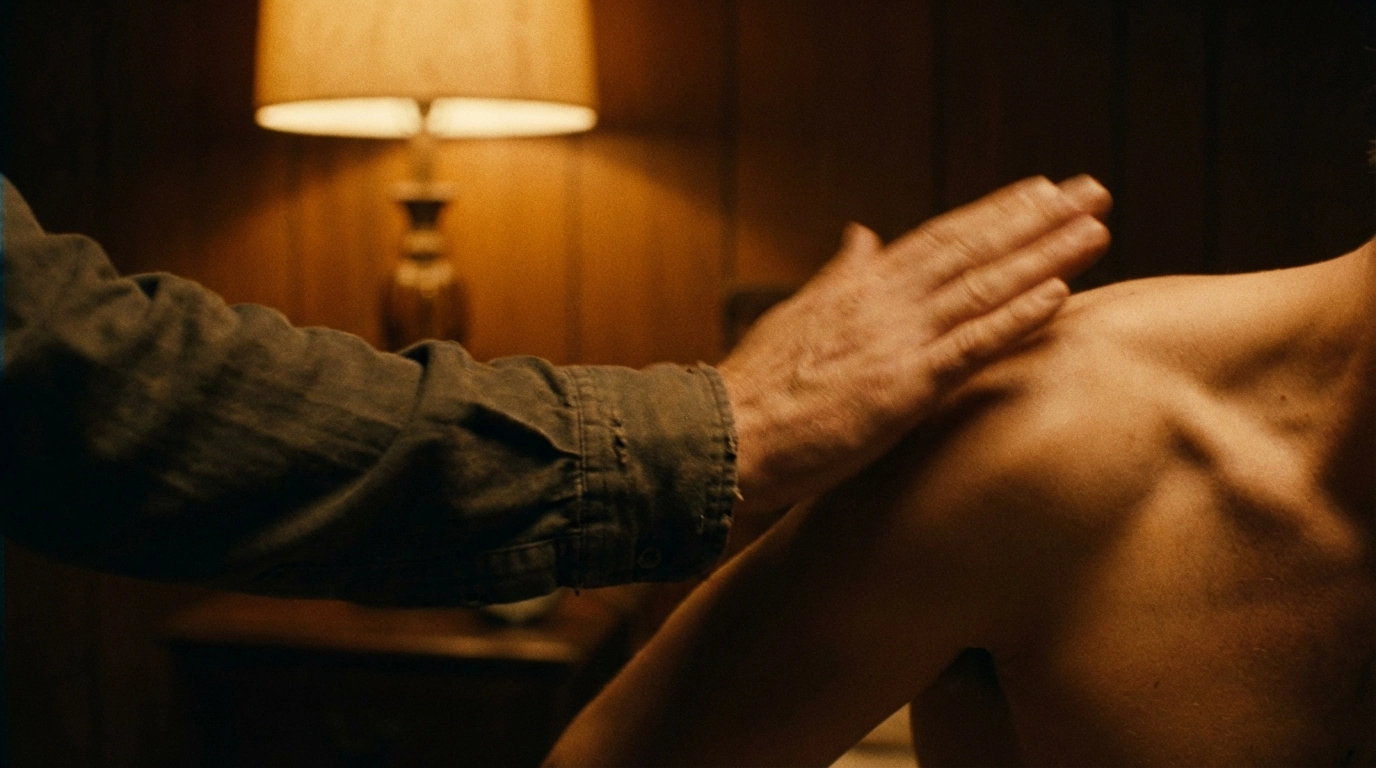
The Escalation Ladder (Or: How Not to Peak Too Early)
The biggest rookie mistake is treating your partner like a drum you’re trying to break. You want tension. You want pacing. You want the nervous system to climb.
Level 1: The “Are We Really Doing This?” phase Light, rhythmic taps. Enough to register, not enough to shock. Keep it going longer than you think—2–3 minutes is a solid baseline.
Level 2: Heat-building More wrist, a bit more force. Watch the body: leaning back into you = yes. Going still, bracing, pulling away = pause and check.
Level 3: The part that makes people write poems they’ll delete later Now you can add more arm. Not maximum. Maximum is for people who planned maximum.
Level 4: The edge (optional, not a personality trait) This is limit-testing territory. Only if it was discussed and you’re getting enthusiastic feedback in the moment.
Tools Beyond Your Hand
Your hand is the gateway drug. If you want to get fancy (or just louder), implements change everything—mostly because they transfer force like they’re trying to show off.
Paddles: Silicone = stingy, snappy. Wood = deeper thud (and a more “oh wow” face). Leather = in-between, classic.
Start lighter than you think. Implements are efficient. Your ego is not.
What to avoid at first: Canes, switches, anything thin, edgy, or pointy. They’re not “advanced” because they’re cooler; they’re advanced because they can mess someone up if you’re sloppy. This is not gatekeeping. This is “we like bodies that still feel good tomorrow.”
If you’re into the psychological side of “tools make it real,” you’ll probably also like this kink sheet – print it, hand one copy to your partner, fill out and compare.
Aftercare: The Part Everyone Forgets
You’re done. The room feels like a different planet. Endorphins are doing parkour. This is the moment people fumble because they think the “scene” ends when the last smack lands.
Aftercare is just the landing. Not a lecture, not babying—just making sure nobody gets emotionally drop-kicked by their own hormones.
What it can look like:
water, snack, hoodie, blanket
touch (or no touch)
a simple “you good?” with a real answer
quiet, decompression, maybe a shower
Skipping aftercare is how people feel weird and used after something that was supposed to feel hot and connected. Don’t be that person. The bar is already in hell; you can step over it.

Frequently Asked Questions About Spanking
Is bruising normal after spanking? Some color is normal. Light pink that fades within hours is pretty typical for moderate play. Deep bruising that lasts days usually means you went harder than the tissue was ready for—next time: longer warm-up, slower build, less hero energy.
How do I know if someone actually likes spanking (or is just enduring it)? Look for actively engaged body language: leaning in, pushing back, relaxed breath, pleasure sounds that don’t feel forced. Red flags: bracing, going quiet, holding breath, freezing, flinching. When in doubt, pause and ask a simple question like “more, less, or different?”
Where is it safest to spank? (People google this. People also improvise. Horrifying.) Fleshy cheeks = safest target. Avoid tailbone, spine, kidneys/lower back, and joints. If you’re landing on bone, you’ve drifted out of the fun zone.
Can spanking be therapeutic? It can feel cathartic for some people, sure—controlled intensity, nervous system release, the whole “I feel lighter” thing. But it’s not a replacement for therapy, and it’s not a magical healing method. This Psychology Today piece covers the cultural/psych angle: Spanking: Consensual, Erotic, and Controversial. The actual biology of pain/pleasure overlap is discussed in research like this review: Pain and pleasure pathways.

