


Handcuffs & Toys: How to Finally Turn Off Your Brain
Burnout isn’t just “I’m tired.” It’s: your calendar is a surveillance state, your jaw is permanently clenched, you’ve turned caffeine into a personality, and even your downtime feels like another KPI you’re failing.
And yes—meditation works for some people. Yoga works for some people. A long walk without your phone works for some people. If you’re one of those blessed souls, please go enjoy your peaceful little nervous system.

But for the burnt-out high performer whose brain treats stillness like a personal threat, “just breathe” can feel like being asked to debug your own operating system with positive thoughts. That’s where a physical stop can be a pragmatic shortcut: not a cure, not a miracle, just a very literal way to reduce options.
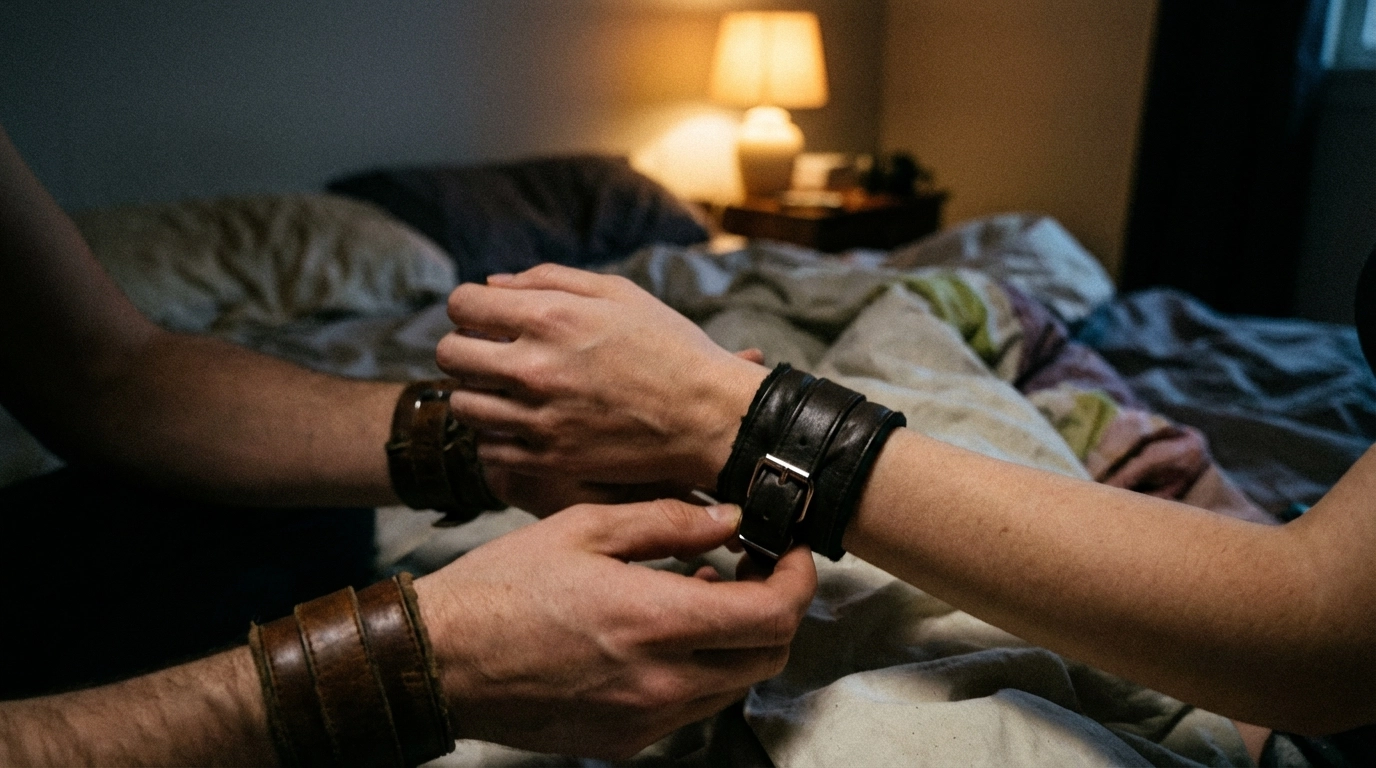
Handcuffs. Restraints. Toys. Cold metal you can feel. Textured leather that holds you without guessing. BDSM restraints aren’t a cute accessory; they’re a negotiated interruption. You stop moving, stop directing, stop narrating your life like it’s a productivity podcast. And in that forced stillness, something simple happens: the mental chatter has less room to run.
This isn’t a shopping guide. It’s an anthropology-lite note from the field on mental decompression: you hand over control on purpose, inside clear boundaries, and you come back a little quieter.
The Psychology of Being Locked In
Let's get something straight: using handcuffs and BDSM toys isn't about being "broken" or needing to "fix" something. It's about understanding how your nervous system actually works, and then hacking it.
When you're restrained, your brain does something interesting. The constant background noise of "what should I do next?" goes quiet. You can't check your phone. You can't fidget with your watch. You can't do anything except be there. And for people whose minds never stop running cost-benefit analyses, that forced stillness is worth more than any meditation app.
The trust factor is non-negotiable. Consensually handing over control to another person requires a level of vulnerability that most people avoid like a plague. But that vulnerability? It's where the catharsis lives. The psychological impact of restraints involves powerful emotional responses, submission, trust, the kind of rawness that strips away the corporate armor we all wear.
This isn't hippie nonsense. It's basic neuroscience dressed in leather.
So Why Do Handcuffs, Toys, and BDSM Work for Stress Relief?
The answer isn't complicated, but it does require you to abandon some assumptions.
First: physical sensation overrides mental chatter.
When your wrists are bound and someone's paying very close attention to your body, your brain stops spiraling about that email you forgot to send. It has to. There's too much happening in the present moment.
Second: clear rules create freedom.
This sounds paradoxical until you've experienced it. In a BDSM scene, the boundaries are explicit. Safe words exist. Roles are defined. Compared to the ambiguity of everyday life, where the rules keep changing and nobody tells you what they actually want, this clarity is a relief.
Third: aftercare is built into the system.
Unlike, say, drinking yourself into oblivion or doom-scrolling until 3 AM, a well-executed restraint scene includes the come-down. The transition back. Someone checking in on you. That's mental health infrastructure that most stress-relief methods completely ignore.

Choosing Your Hardware: A Cynical Reality Check (Not Shopping Advice)
Restraints aren’t magical. They’re also not Halloween props, and they’re definitely not “just accessories.” The difference is whether you’re building a safe container for someone’s nervous system… or you’re playing dress-up with gear that fails the second a real body puts real weight on it.
So no, this isn’t “best handcuffs.” It’s a practical reality check for using BDSM restraints as a tool for mental decompression (and for avoiding avoidable injuries).
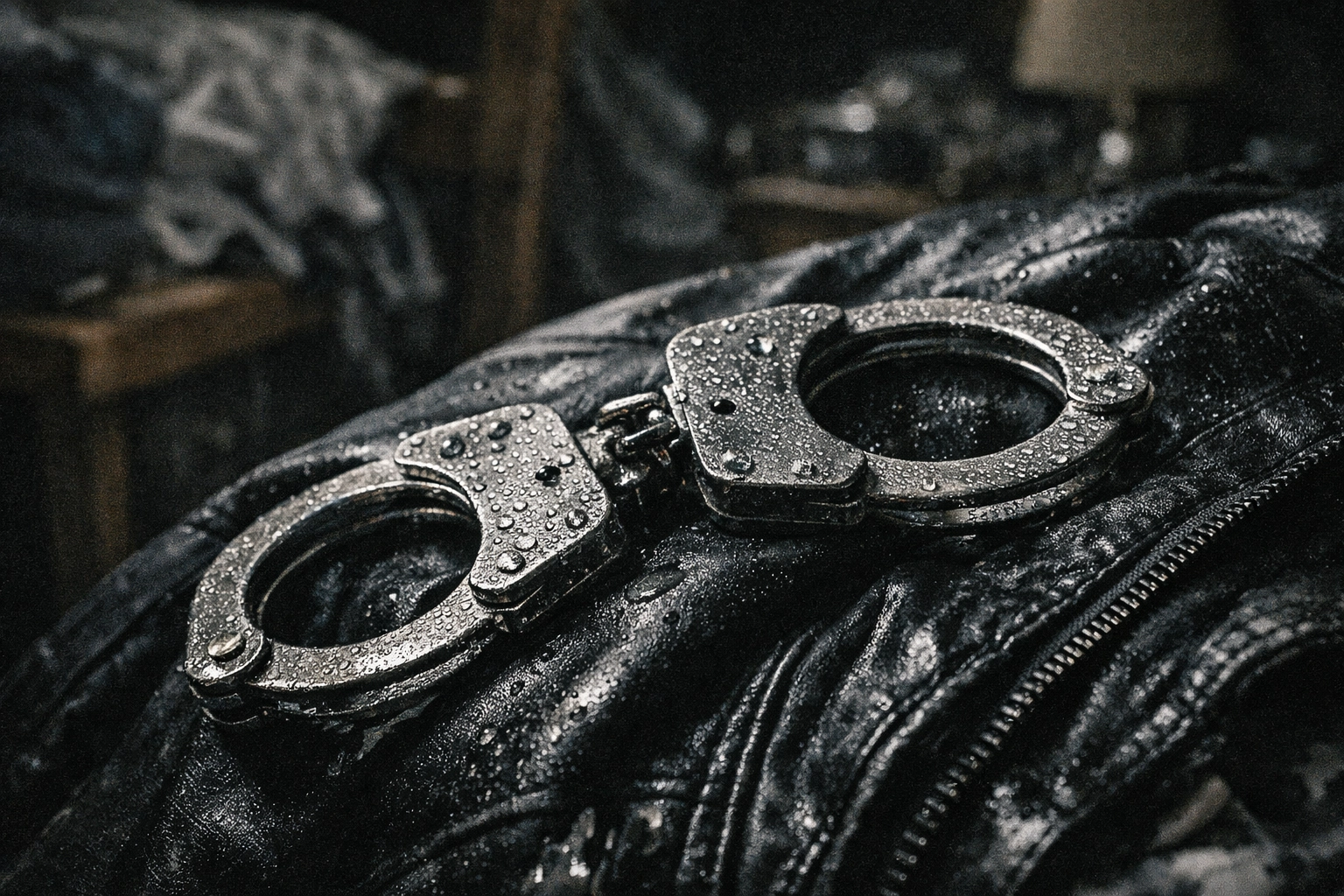
Metal handcuffs: cold, and extremely specific.
Pros: that sharp, honest sensation; that click that tells your brain “we’re not negotiating with you right now.”
Cons: they can pinch skin, create pressure points, and go from “hot” to “numb fingers” fast if you’re careless. Treat them like real hardware: two keys, a quick release plan, frequent circulation checks, and a willingness to stop being dramatic the second the body says “nope.”
Leather cuffs: softer on the nervous system, usually kinder on circulation, and generally easier to settle into for longer scenes.
Pros: pressure is distributed; the sensation reads more like containment than punishment.
Cons: cheap leather (or badly finished edges) can still chafe, and “soft” doesn’t mean “safe forever.” You still check warmth, color, tingling, and comfort like an adult.
Rope: intimate, beautiful, and absolutely capable of ruining your night if you treat it casually. Rope is skill + anatomy + attention, not vibes. If you’re chasing that brain-quiet switch, it helps to understand why some people need intensity and structure to get there—without calling it therapy (impact play for intellectuals).
Velcro restraints: unsexy but functional.
Pros: quick-release and less intimidating for experimenting.
Cons: you can still overtighten things, and “easy” can make people sloppy about check-ins. The hot part is consent and control—not how hard you can make it to get out.
And yes: toys matter, but not as a flex. A high-end toy plus restraint can amplify sensation in a way that keeps you present. But the real mechanism is still the structure: negotiated rules, clear boundaries, and permission to stop thinking.
The Questions Everyone Asks
Is it weird that I want to be restrained even though I'm "in control" all day?
No. It's textbook. The people who seek out restraint play are often the ones carrying the most responsibility elsewhere. This isn't a character flaw; it's a pressure valve.
What if I want to restrain someone else? Does that make me a bad person?
Also no. Dominance and sadism (in the consensual, negotiated sense) are about holding space for someone else's surrender. Done right, it's an act of care, not cruelty. The trust goes both ways.
How do I bring this up without making it a whole cringe performance?
Say it plainly, like you’re requesting a very normal human thing (because you are): “I want to try restraint play. I want to feel safe. I want clear boundaries. Are you open to that?”
If someone needs to understand consent, they’re not ready to hold your body still.
If you need language for negotiating power without turning it into therapy-speak, start with the basics: what you want, what’s off-limits, how you’ll stop, and what you’ll need after. The rest is details.
What if something goes wrong?
This is why safety protocols exist. Safe words. Emergency shears for rope. Spare keys. Checking circulation. Aftercare. The BDSM community has spent decades developing best practices precisely because the stakes are real. Learn them.

The Practical Logistics (Because Chaos Is Only Hot When It’s Consensual)
The scene-real version of restraint play is not a cinematic montage. It’s planning, then doing the thing, then taking care of the nervous systems involved like you’re not a monster.
Start shorter than your ego wants.
Fifteen minutes can be intense. Your body needs time to learn that “can’t move” doesn’t equal “not safe.”
Check circulation like you’re boring (good).
Cold fingers, numbness, tingling, color change? Stop and adjust. “No pain” is not the same as “no damage.”
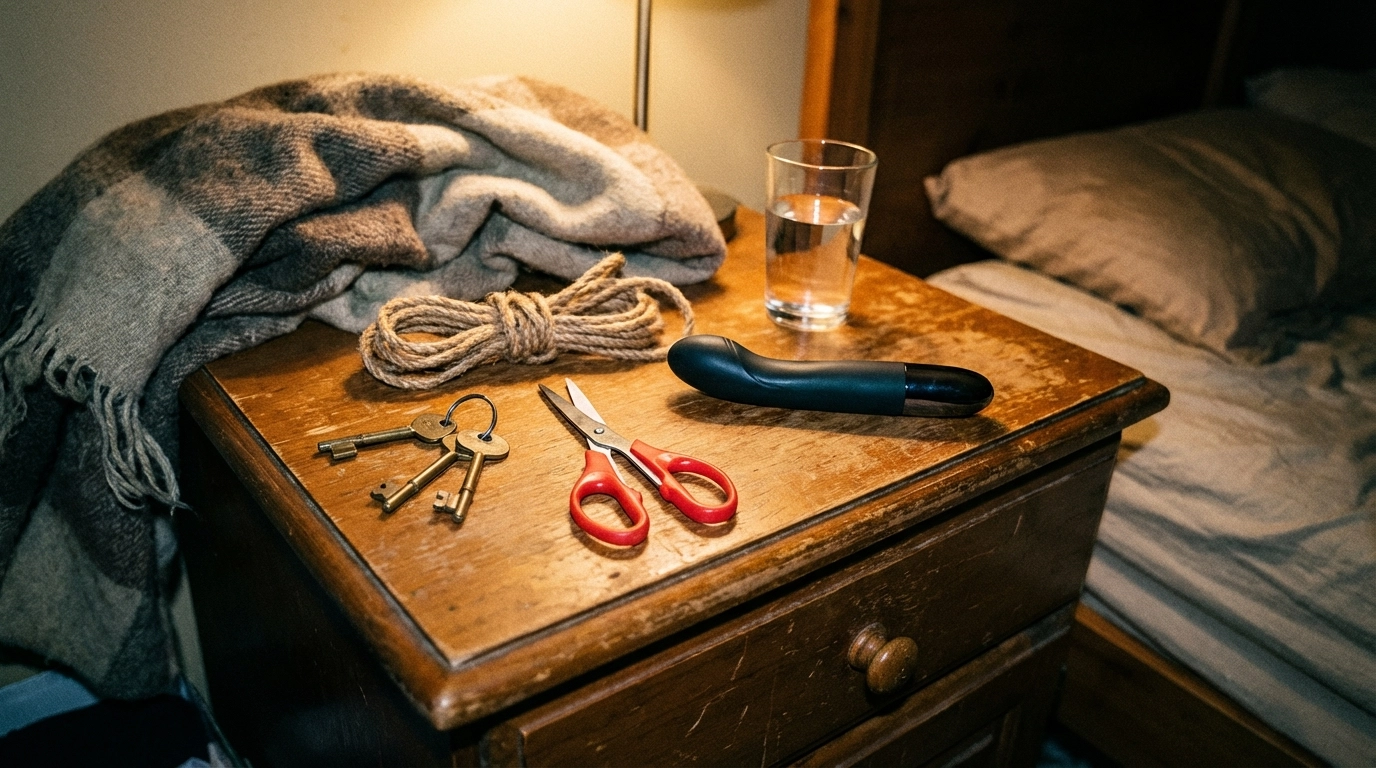
Have the boring survival kit ready:
Keys, safety shears (if rope is involved), water, blanket, snacks. Not sexy, but neither is panicking while someone’s stuck.
Aftercare isn’t optional—it's the landing.
The drop is real. Your body can flood with adrenaline and endorphins, then crash. Plan for warmth, quiet, reassurance, whatever settles you.
More Q&A's:
How long should you stay in handcuffs during BDSM?
For beginners, start with 5–15 minutes and build up slowly. The goal is to learn how your body reacts (pressure, pins-and-needles, emotional intensity) before you turn it into an endurance sport.
Why do BDSM restraints feel calming? Because they reduce options. That sounds bleak until you realize your brain is exhausted from choices. With consent and clear boundaries, restraint can flip you from “hypervigilant manager mode” into “present body mode.”
Do BDSM restraints help anxiety? They can temporarily quiet mental noise for some people, but they’re not therapy and they’re not a replacement for mental health care. Think “pressure valve,” not “cure.”
The Unsexy Truth
Here's what the thinkpieces won't tell you: BDSM restraints aren't magic. They won't fix your anxiety disorder or replace therapy or make your boss less insufferable. What they can do is offer a structured, consensual space where your brain gets to stop performing for a while.
For some people, that's everything.
The handcuffs, the toys, the rituals of BDSM: they're tools. And like any tool, their value depends entirely on how you use them. Approach them with curiosity, respect, and decent hardware, and you might just find the decompression you've been chasing in all the wrong places.


