


The Art of the Public Humiliation: 11 Creative Scenes
Public humiliation is where etiquette gets weaponized. It lives at the intersection of performance art and nervous-system chemistry: a controlled leak of status, composure, and self-image—performed under lights so flattering they feel cruel. The best versions don’t rely on obvious spectacle; they rely on social friction and psychological exposure, the kind that makes a room full of rich strangers suddenly feel like a jury.
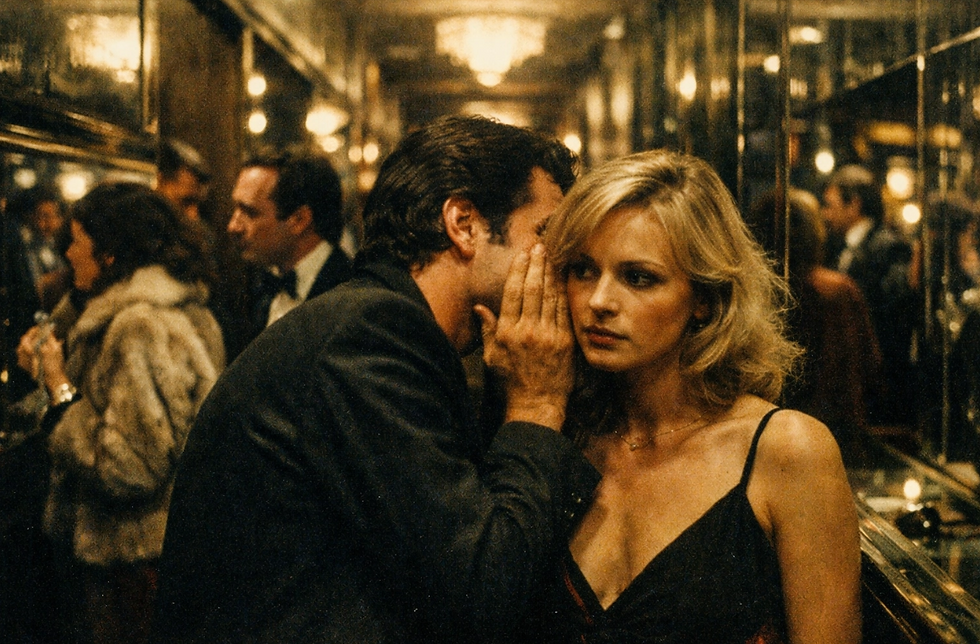
These eleven scenes are designed to feel like high-end, anonymous metropolitan cinema: 70s/80s film grain, dark luxury, and that slow-pan tension where nobody can tell if this is avant-garde theater or a private collapse with good tailoring. The target is intellectualized humiliation—where the brain is as exposed as the body.
Before you do anything in public: act like a professional. Consent is not a vibe; it’s a framework. Keep bystanders out of the blast radius, stay legal, keep it plausibly deniable, and treat aftercare like part of the choreography. Start with Playful’s BDSM safety principles, then add the extra layer public play demands: pre-negotiated signals, exit plans, and strict limits on what gets said within earshot.
A note on dynamics: these scenes assume a familiar reality in upscale nightlife and private events—a 70/30 male-to-female ratio. Translation: attention is abundant, “witness” energy is cheap, and male egos roam in packs. Use that imbalance like lighting design. Your submissive doesn’t need to be seen by everyone. They need to feel read by the people they’d normally try to impress.
1. The Invisible Accessory
A gala lobby. A hotel bar with velvet seating. The kind of place where people speak softly because money hates echoes.
Your submissive is dressed appropriately—nothing cartoonish, nothing that screams “scene.” Their assignment is behavioral: they are your accessory, not your companion. They do not sit until you place them. They do not speak unless addressed. They stand half a step behind your shoulder, angled like a bodyguard’s shadow.
The humiliation is not “being ignored.” It’s being forced to witness your social competence while they are reduced to a controlled silence—present, polished, and functionally objectified. The room reads them as “with you.” They feel themselves becoming “for you.”
Performance-art twist: when someone asks who they are, answer with something that sounds normal but lands like a stamp: “They’re with me tonight.” No pet names. No theatrics. Just that clean, corporate ownership tone.
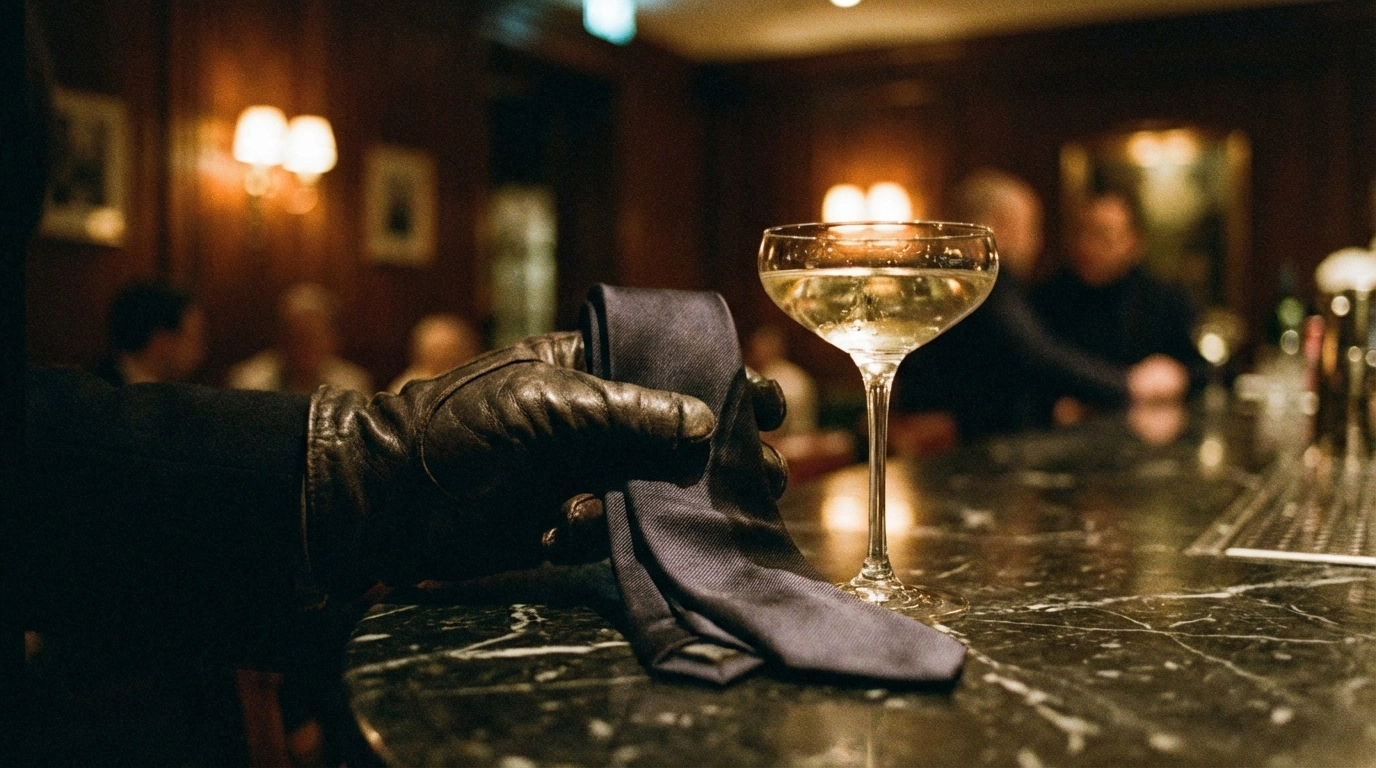
2. Eavesdropped Degradation (The Whisper That Travels)
Choose a space where conversations overlap: a crowded cocktail hour, an art opening, the bar outside a theater. Keep it upscale. Keep it plausible.
Stand close enough that your mouth is near their ear. The content is negotiated in advance and non-explicit, but psychologically sharp—critique disguised as coaching. “Posture.” “Smile less.” “You’re overdressed for your level.” “You’re trying too hard.”
The trick is that it’s designed to be eavesdropped, not performed. A few words slip beyond your private bubble. Not pornographic. Not illegal. Just humiliating in the way that status language humiliates: like an elite school correction delivered with a smile.
This scene hits especially hard in a 70/30 room because male attention is already scanning for weakness, and your submissive can feel the social predators clocking the power imbalance—even if nobody can prove it.
3. The Luxury Footstool (Status as Furniture)
No crawling. No obvious kink tableau. This is not a dungeon reenactment in a restaurant.
Find a setting with soft architecture: a low couch, a private lounge, a corner banquette. Your submissive’s task is to become useful in a way that looks normal from a distance: they kneel to adjust your shoe strap, they settle near your feet while you sit, they hold your coat, they manage your bag. They stay low—literally—without making a scene.
The humiliation is the asymmetry: you take up space; they service space. It’s class-coded, cinematic, and devastatingly “adult.” They are not playing poor; they are playing owned.
Make it intellectual: add rules that are purely cognitive. They must maintain eye contact only when you allow it. They must not look at anyone who looks at them. Their world narrows to your ankles and your approval.

4. The Curated Confession (Controlled Self-Betrayal)
Pick a social environment where people love “interesting” conversation: collector dinners, gallery receptions, the kind of rooftop where everyone’s pretending to know the DJ.
Give your submissive a script: one sentence of vulnerability they must say to a stranger who feels socially “above” them. Not explicit kink. Something psychologically naked.
Examples:
“I’m embarrassingly easy to influence.”
“I’m better at obeying than deciding.”
“I get nervous when someone smarter than me is watching.”
They report back verbatim. You grade the delivery: tone, pacing, eye contact. The humiliation comes from offering real psychological material as if it’s casual small talk—then having it assessed like an audition.
5. The Visible Proof (But Make It Architectural)
Forget the cartoon “property of” tells. Too on-the-nose.
Instead, use a mark that reads like expensive accident: lipstick that looks like a careless kiss on a cuff; a faint pressure line on the neck from something worn earlier; a single safety pin placed like fashion but felt like punishment. Subtle enough to pass. Loud enough to haunt them.
The scene is internal paranoia with a designer label: they can’t stop scanning reflections—mirrors, windows, elevator doors—trying to see what other people might see.
6. The Task Master, Upgraded (Competence Sabotage)
Public humiliation becomes art when it targets identity. Most adults are addicted to being perceived as competent.
Assign a sequence of tasks that are socially high-risk but outwardly normal:
They must order for you using your preferences perfectly.
They must negotiate a minor inconvenience (wrong drink, missing reservation detail) without apologizing.
They must ask a staff member for something unreasonable politely and accept the “no” without flinching.
Their failure is not slapstick; it’s a crack in the mask. You are not humiliating them with absurdity. You are humiliating them by making their usual social armor malfunction on command.
7. The Leash (But Make It Invisible)
Literal leashes are tacky and legally stupid in most places. Make the control informational.
Options:
A shared earbud: you feed micro-instructions that keep them slightly off-balance.
A bracelet-to-bracelet chain hidden under sleeves.
A rule: they remain within a two-meter radius unless you send them away.
The humiliation is that their freedom looks intact while it’s privately revoked. Outsiders see a couple. Your submissive experiences a tight little cage made of etiquette.
8. The Formal Gratitude (Corporate Submission)
Gratitude can be erotic when it becomes protocol.
Your submissive must thank you in a specific register—measured, adult, public-facing:
“Thank you for deciding.”
“Thank you for correcting me.”
“Thank you for letting me sit.”
No baby talk. No performative sweetness. The vibe is professional-to-professional: as if you’re their patron, mentor, or problem.
In a male-heavy room, this lands like a status document. People may not understand the dynamic, but they feel the hierarchy. Your submissive feels it like a collar made of language.
9. The Third-Person Audit (Self as Specimen)
Require them to narrate their internal state in third person, quietly, like a field report:
“They are monitoring the room for judgment.”
“They are trying not to seek approval.”
“They are failing to look calm.”
It’s dissociation with a graduate degree. The humiliation is that they become their own observed object—an exhibit in your private anthropology of need.
For negotiation and limits, this pairs beautifully with Playful’s consent-mapping classic: Kink Sheet: the Yes/No/Maybe manifesto. If you’re going to make someone speak their mind out loud, you should know exactly which doors stay closed.
10. The Proximity Game (Social Suffocation)
Use spaces where personal space is a religion: museum lines, concierge queues, the narrow corridor outside a restroom in a high-end club.
You stand too close—close enough that your presence edits their breathing. You do not acknowledge them directly. You speak to others while your body controls theirs. If they try to create distance, you correct it with a small movement and a smaller look.
This isn’t about groping. It’s about ownership of their nervous system.
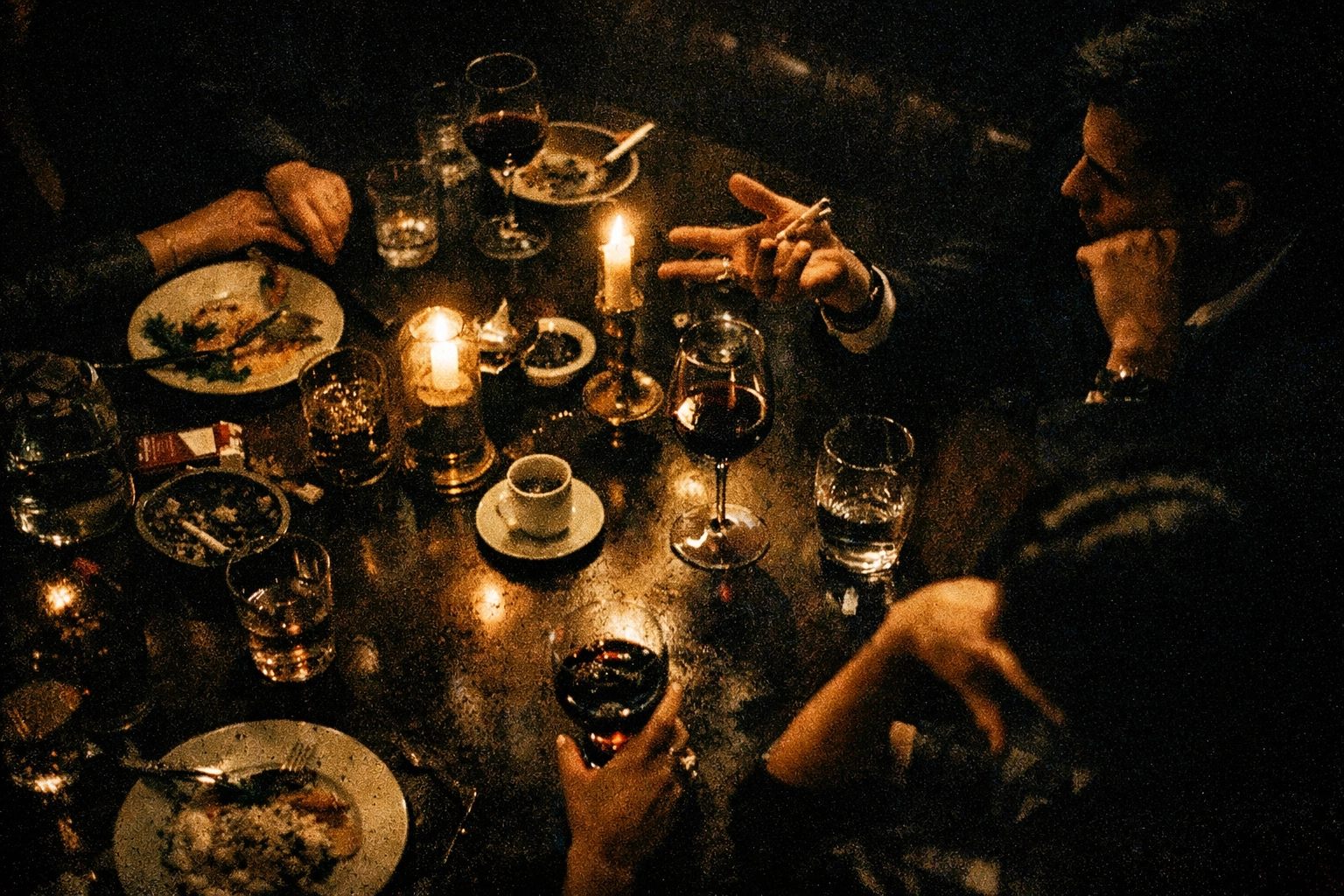
11. The Silent Reference (Erasure With Witnesses)
Take them somewhere social—dinner, private table, afterparty—and refuse to address them directly for a set period. You speak about them in the third person, calmly, as if they’re staff or a possession:
“They’ll have still water.”
“They don’t need another drink.”
“They get anxious in crowds.”
No cruelty for cruelty’s sake. The rules are negotiated. The power is in the precision: they are present, functioning, and verbally removed from personhood while surrounded by people who can’t quite tell whether this is eccentricity, dominance, or social pathology.
That ambiguity is the point. It’s cinema.
What Makes Public Humiliation Actually Work?
Stakes. Private scenes are insulated. Public scenes carry reputation risk—the adult fear of being interpreted. Your submissive doesn’t just feel exposed; they feel legible. That’s why the best public humiliation is rarely loud. It’s controlled. It’s plausible. It makes the submissive do the one thing they’re trained to avoid: reveal themselves.
The sweet spot is “invisible to strangers, devastating to the participant.” Outsiders see a slightly intense dynamic. The submissive experiences a full-body stress response because their identity is being edited in real time.

FAQ: Public Humiliation, But Professional About It
Is public humiliation BDSM, or just exhibitionism?
Public humiliation is BDSM when it’s consensual, negotiated, and structured as power exchange. Exhibitionism is about being seen. Humiliation is about being positioned—socially, psychologically, symbolically. If your goal is to shock strangers, you’re not doing kink; you’re doing collateral damage.
How do you do public humiliation without involving bystanders?
Design scenes that are legible as “normal” behavior: etiquette rules, proximity control, whisper-level language, subtle service roles. Avoid explicit sex acts, nudity, or anything that forces non-consenting people into your erotic content. The bystander should experience, at most, mild curiosity—never coercion.
What are the safest public humiliation ideas for beginners?
Start with private rules in public: walking order, permission to speak, formal gratitude, proximity rules. Keep content non-explicit and pre-agreed. Use a safeword and a “public safe signal” (a gesture or phrase that means “stop now, smile later”). If you don’t already have a negotiated menu of what’s in-bounds, build one first with a Yes/No/Maybe kink sheet.
What if the room is mostly men—does that change the scene?
Yes. A 70/30 male-to-female ratio amplifies attention economics. It can intensify humiliation because your submissive is aware of being appraised, tested, and compared. Use that pressure intelligently: keep scenes subtle, avoid explicit content, and focus on status cues—silence, positioning, correction, service. The goal is not to invite harassment; it’s to manipulate perception.
The Unspoken Rules (Because Amateur Hour Is Not Sexy)
Public humiliation is not an excuse to be socially radioactive. Keep it legal. Keep it plausible. Keep it consensual. The more “random” and absurd the task, the less erotic the shame—because it becomes comedy. If you want high-stakes performance art, you need restraint: your scene should look like taste, not like a breakdown.
For scenes that lean into cerebral pain and control, pair this article with Playful’s brainy brutality primer: Impact Play for Intellectuals. Different tool, same thesis: the mind is the real skin.


